
Structural & safety assessment
Load-bearing elements, floor joists, and roof framing are evaluated first. We determine exactly what is safe to clean and what requires demolition.
This dictates the entire scope of work.
Home/Fire & smoke damage restoration
When the fire trucks leave, the real structural emergency begins. We dispatch emergency crews 24/7 from our Norcross headquarters. Crews are dispatched the moment you call, and our Norcross base keeps most of Inside the Perimeter (ITP) within a short run.
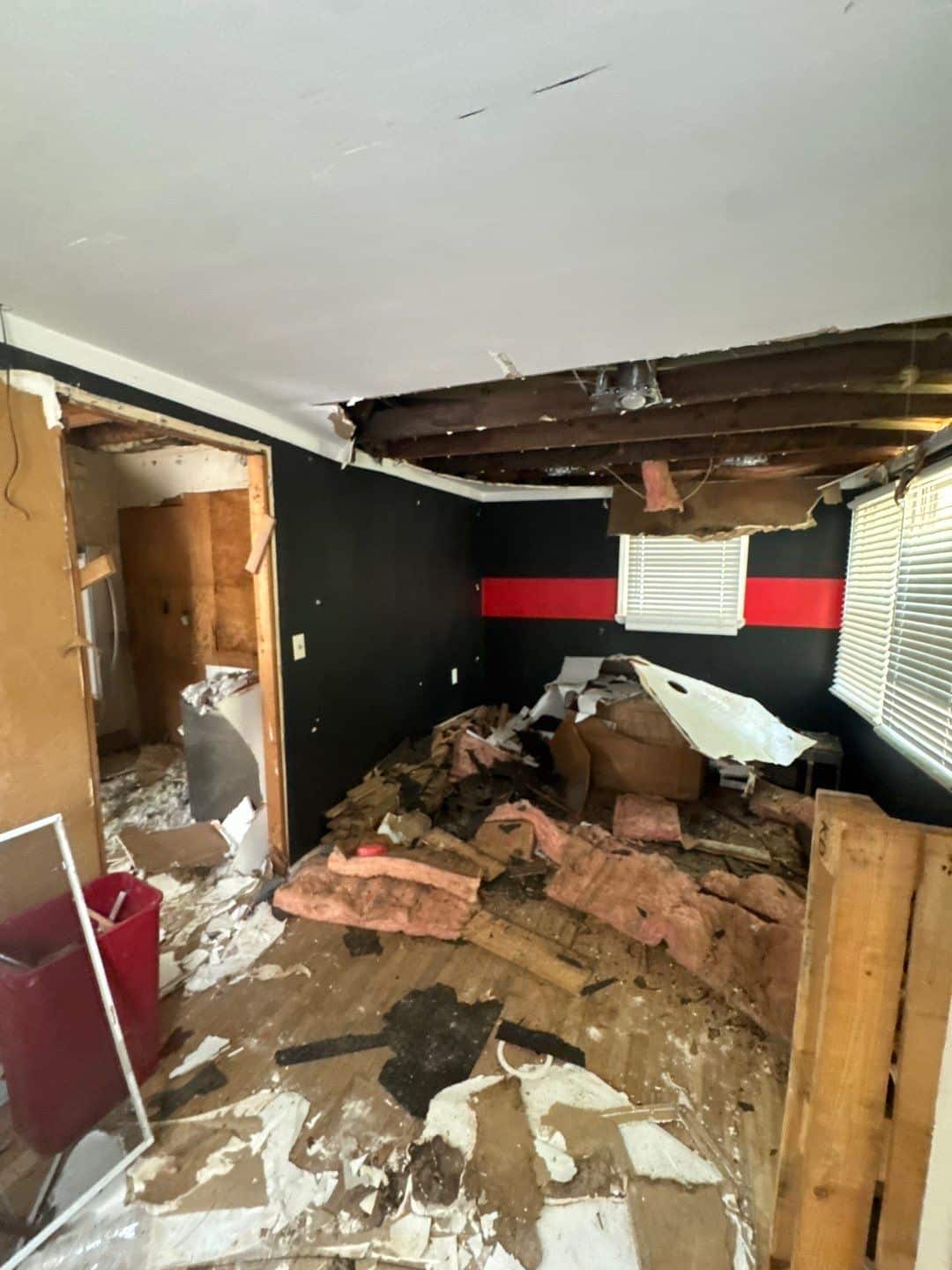
Every fire creates three distinct problems. Most homeowners only see the first one.
All three problems require completely different tactical approaches. One Stop Restoration scopes all three from day one. We manage structural damage, deep soot penetration, and HVAC decontamination under one single contract.
You see wall char, blackened ceilings, and water left by suppression lines. This is what the insurance adjuster photographs immediately.
Fine carbon particles embed into every porous surface near the smoke. Soot pushes volatile chemical compounds deep into building materials, far beyond what surface cleaning can ever reach.
Two weeks after basic surface cleaning, a sharp chemical smell returns. Smoke compounds absorbed into your HVAC system redistribute through every vent each time the air cycles.
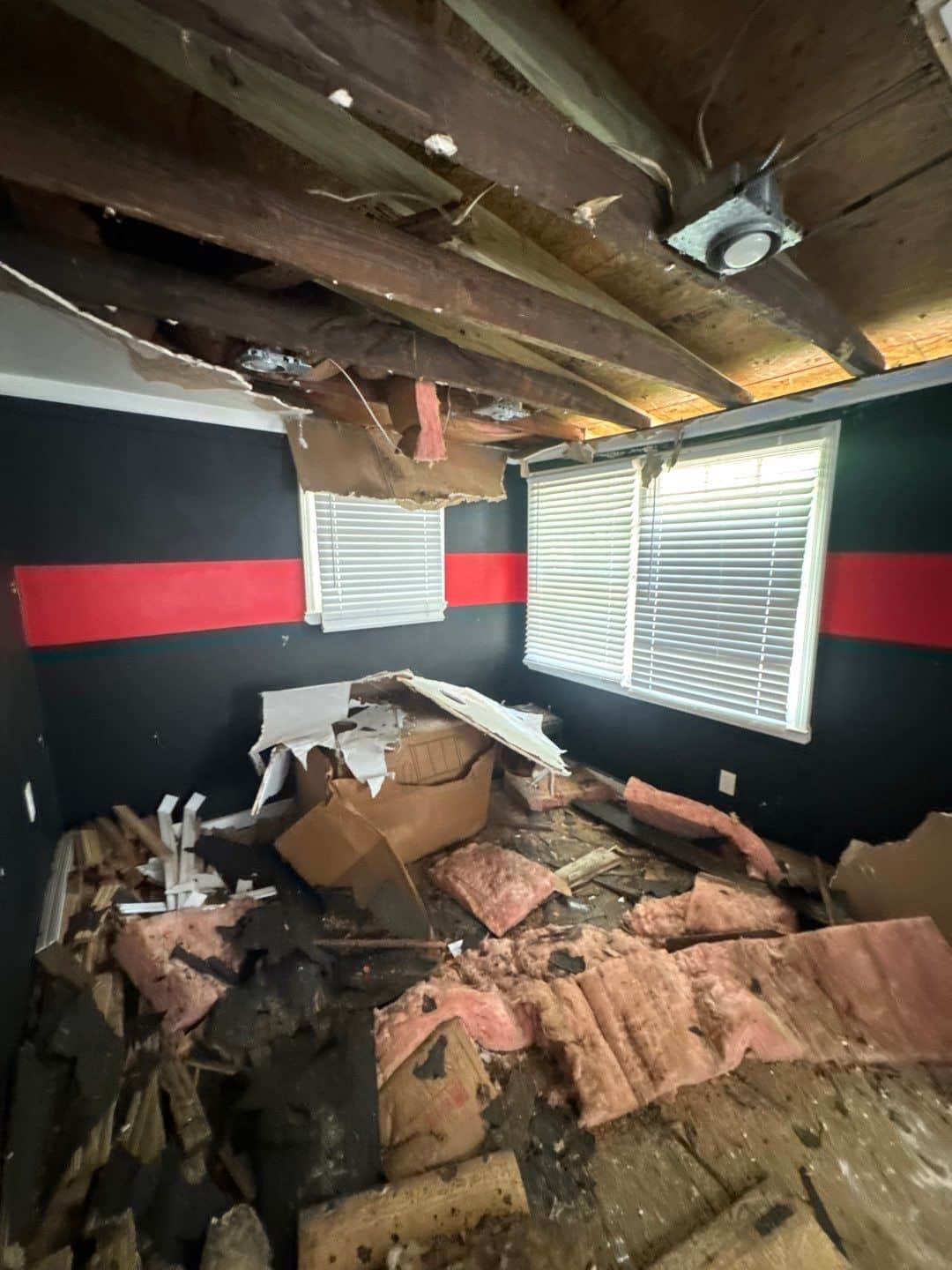
Older homes absorb smoke differently than modern construction. They hold dangerous odors much longer.
Intown neighborhoods like Grant Park, Cabbagetown, and East Atlanta feature historic homes with original heart pine floors and plaster-and-lath walls. Every one of these historic materials is highly porous.
When smoke moves through an older home, it does not just coat the surface. It absorbs deeply into the wood substrate and penetrates decades of built-up organic dust inside wall cavities.
Restoring these properties requires precise soot mapping before cleaning begins. Rebuilding them also triggers strict local building codes. We navigate the City of Atlanta Accela permit system for you, and for designated historic districts we manage the strict Urban Design Commission (UDC) Certificate of Appropriateness (COA) process.
Soot travels farther and settles much deeper than the fire's footprint suggests.
A few weeks after a fire, homeowners often call us back. They previously hired someone for a basic surface cleaning. The paint looks fresh, but the burning smell returns instantly.
This happens because no one treated the HVAC ductwork. The ducts became a hidden smoke storage network.
On a typical fire job, we find soot on the return grille faces and heavy deposits on the blower wheels, and we record elevated particle counts in every single room.
This is exactly why fire insurance documentation must include the HVAC system. If it is not heavily documented, carriers will not authorize treatment. We put it in the official record on the very first day.
By 72 hours, volatile compounds from synthetic materials begin bonding to drywall paper and wood grain. This happens throughout the entire home, not just the room that burned.
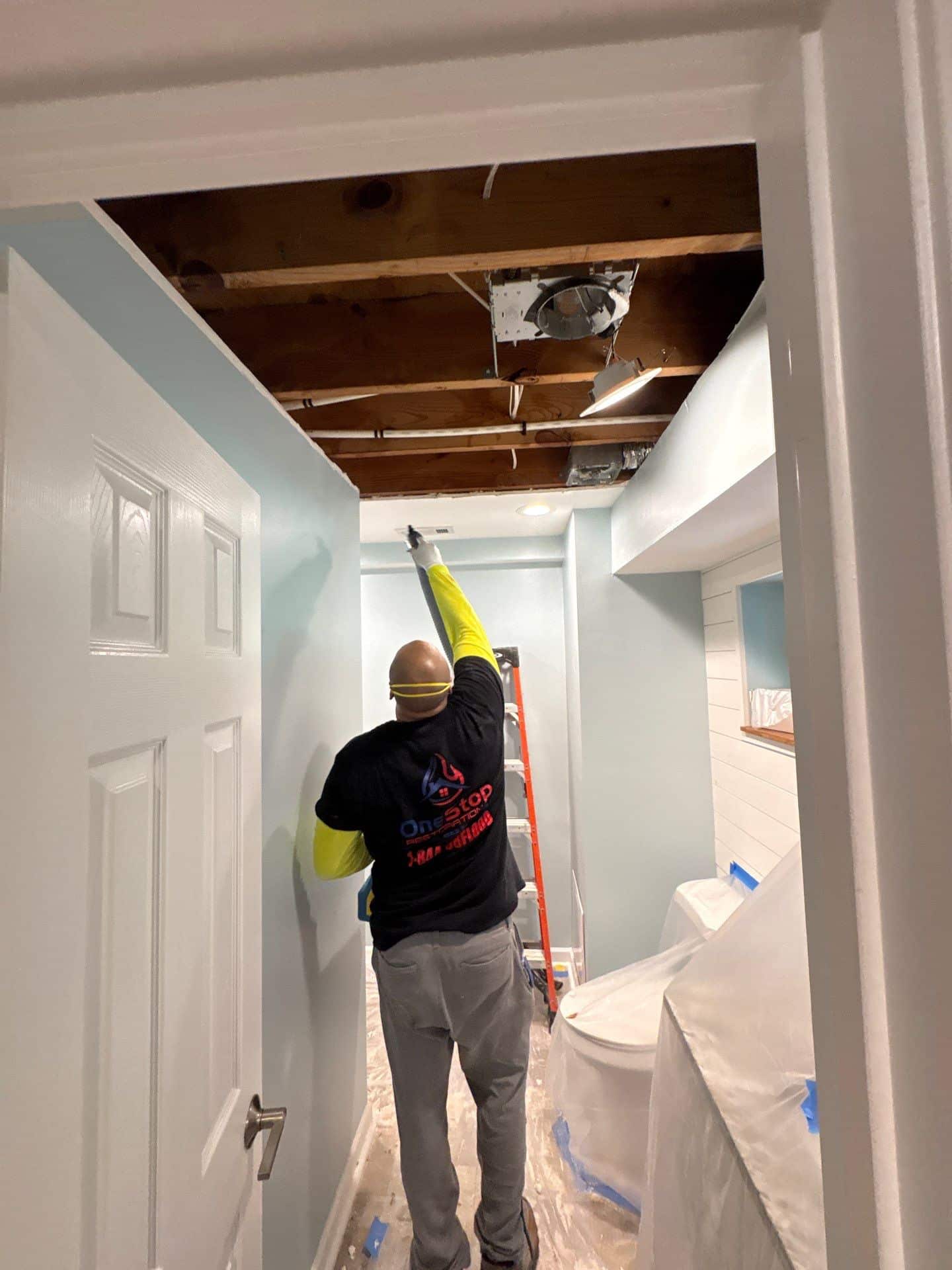
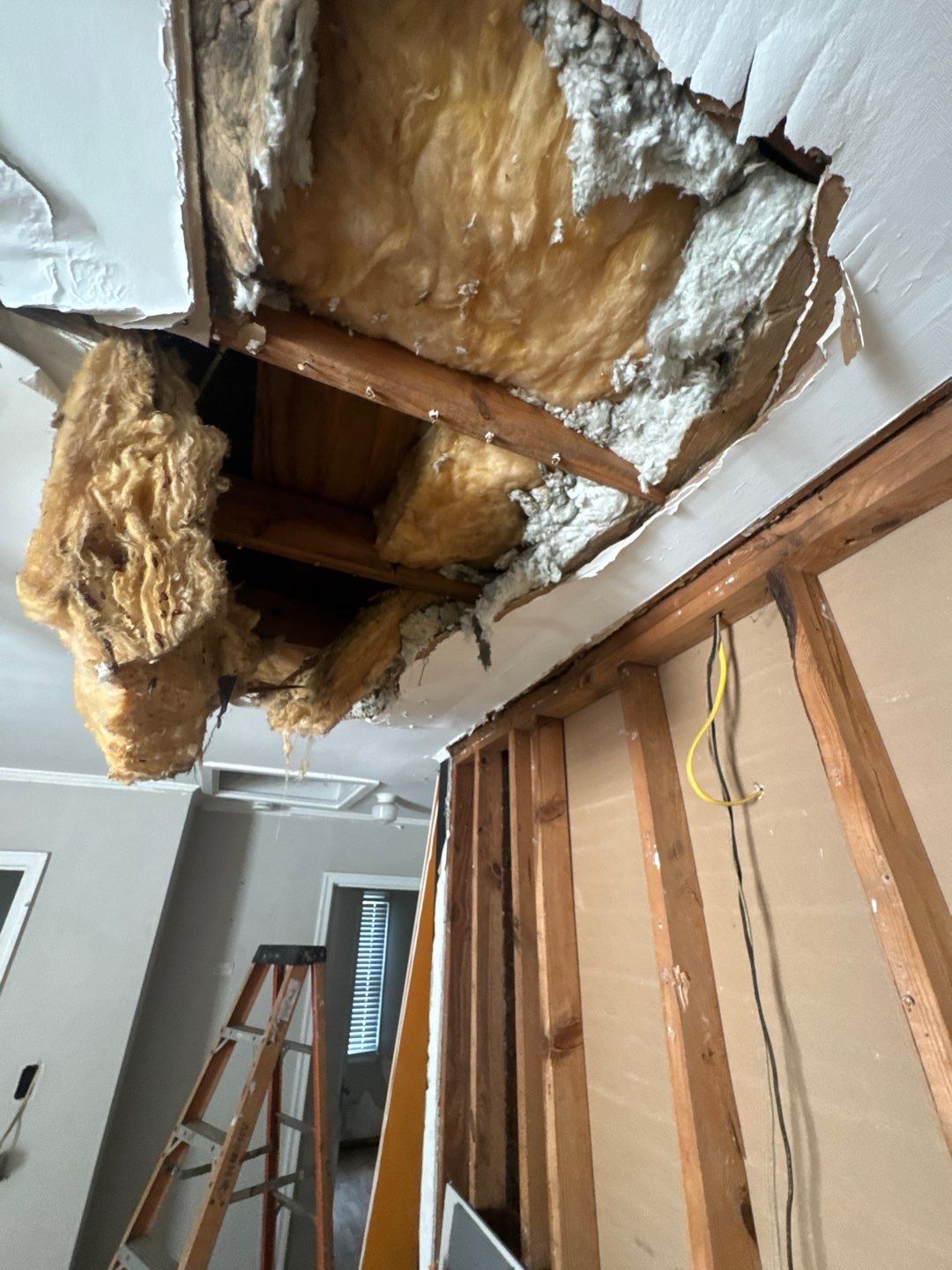
Removing fire-damaged structural materials triggers strict state environmental laws.
Charred framing and ruined drywall must be removed fast. However, if your home was built before 1980, we must test for asbestos. We strictly follow all Georgia Environmental Protection Division (EPD) mandates.
We coordinate independent asbestos clearance testing. We manage the mandatory 10-day GEOS notification waiting period. We also ensure all debris is removed under Solid Waste Management Rule 391-3-4.
Managing this red tape in-house protects you from severe state fines.
A fire restoration job is only as strong as its paperwork.
When an adjuster receives our scope, they get undeniable proof.
Policyholders in Georgia are strongly protected by state law. Under O.C.G.A. § 33-4-6, insurance carriers face heavy penalties for acting in bad faith. If they unreasonably delay or deny a properly documented claim, they can be sued.
Our flawless 3D Matterport scans and itemized logs provide absolute proof of loss. This leaves carriers with no valid excuse to deny your coverage.
Our IICRC-certified fire restoration standard covers your structure, surfaces, and air distribution.
What goes into every fire job we run:
We evaluate load-bearing framing before cleaning begins, and document exactly what stays and what goes.
We use surface readings to define the full smoke penetration footprint.
We safely remove, inventory, and store your belongings off-site during structural work.
For older homes, we manage Georgia EPD asbestos testing and GEOS notifications.
We deploy heated deodorization to reach the exact microscopic spaces that smoke penetrated.
We clean and treat your entire heating and cooling system to stop odor recirculation.
Every fire job follows a strict sequence. We never skip a phase.
Load-bearing elements, floor joists, and roof framing are evaluated first. We determine exactly what is safe to clean and what requires demolition.
This dictates the entire scope of work.
Surface cleaning proceeds room by room from the burn origin. We use dry chemical sponging on porous surfaces before introducing any liquids, because water activates dry soot and drives it deeper into the wood.
HVAC decontamination runs completely parallel to structural cleaning.
Thermal fogging pushes deodorizers into the exact spaces that smoke penetrated.
After fogging, ambient odor readings confirm the smoke smell is completely gone. We do not guess. We measure it.
One Stop Restoration serves the full Greater Atlanta metro area. We dispatch heavily equipped trucks directly from Norcross.
We proudly serve residential and commercial properties across Fulton, DeKalb, Gwinnett, Cobb, and Cherokee counties.
If you just suffered a fire event, call 404-777-7077 immediately. A live professional answers our dispatch line 24/7.
Leave your HVAC system completely off. Running it circulates hazardous smoke particles into clean rooms.
Do not attempt to wipe down walls. Cleaning dry soot with water will permanently stain the drywall.
Tell our dispatch team your exact address and what rooms burned. We will send a rapid response team to your property immediately.
A live professional answers our dispatch line 24 hours a day. We do not use answering services for emergencies.
Tell our dispatch team your exact address and what rooms burned. We will send a rapid response team to your property immediately. For non-emergency situations, email us at info@onestop-restoration.com.
Norcross base, on the I-285 corridor.
Yes, standard homeowners policies cover HVAC decontamination if it is properly documented. We take physical soot readings from your return registers and blower compartments. We include this undeniable evidence in your initial Xactimate estimate.
In Georgia, demolishing damaged drywall or flooring triggers state regulations. If your property was built before 1980, the Georgia EPD mandates formal asbestos testing. We handle the 10-day GEOS notification to keep your rebuild completely legal and safe.
You should not stay in the home until the air is tested. Even small kitchen fires release dangerous volatile organic compounds (VOCs). Smoke particulates irritate the lungs and settle deep into upholstery. We will advise you on safety during our initial structural assessment.
Yes. We handle the entire structural rebuild after the mitigation phase. We pull all necessary building permits through the City of Atlanta Accela system. If you live in a historic district, we also navigate the Urban Design Commission (UDC) requirements.
We document your loss flawlessly to prevent baseless denials. Under Georgia law (O.C.G.A. § 33-4-6), insurers cannot unreasonably delay or deny proven claims. Our daily logs and 3D scans provide the exact hard evidence you need to force a fair settlement.