Black Mold Removal in Atlanta | Stachybotrys Testing & Clearance

Home/Black mold removal

IICRC Certified Firm 24/7 dispatch Licensed & fully insured

Black Mold Removal in Greater Atlanta: Stachybotrys Identification

Before we remove dark mold, we test it. We dispatch IICRC-certified mitigation crews from our Norcross headquarters. Crews are dispatched the moment you call, and our Norcross base keeps most of Inside the Perimeter (ITP) within a short run.

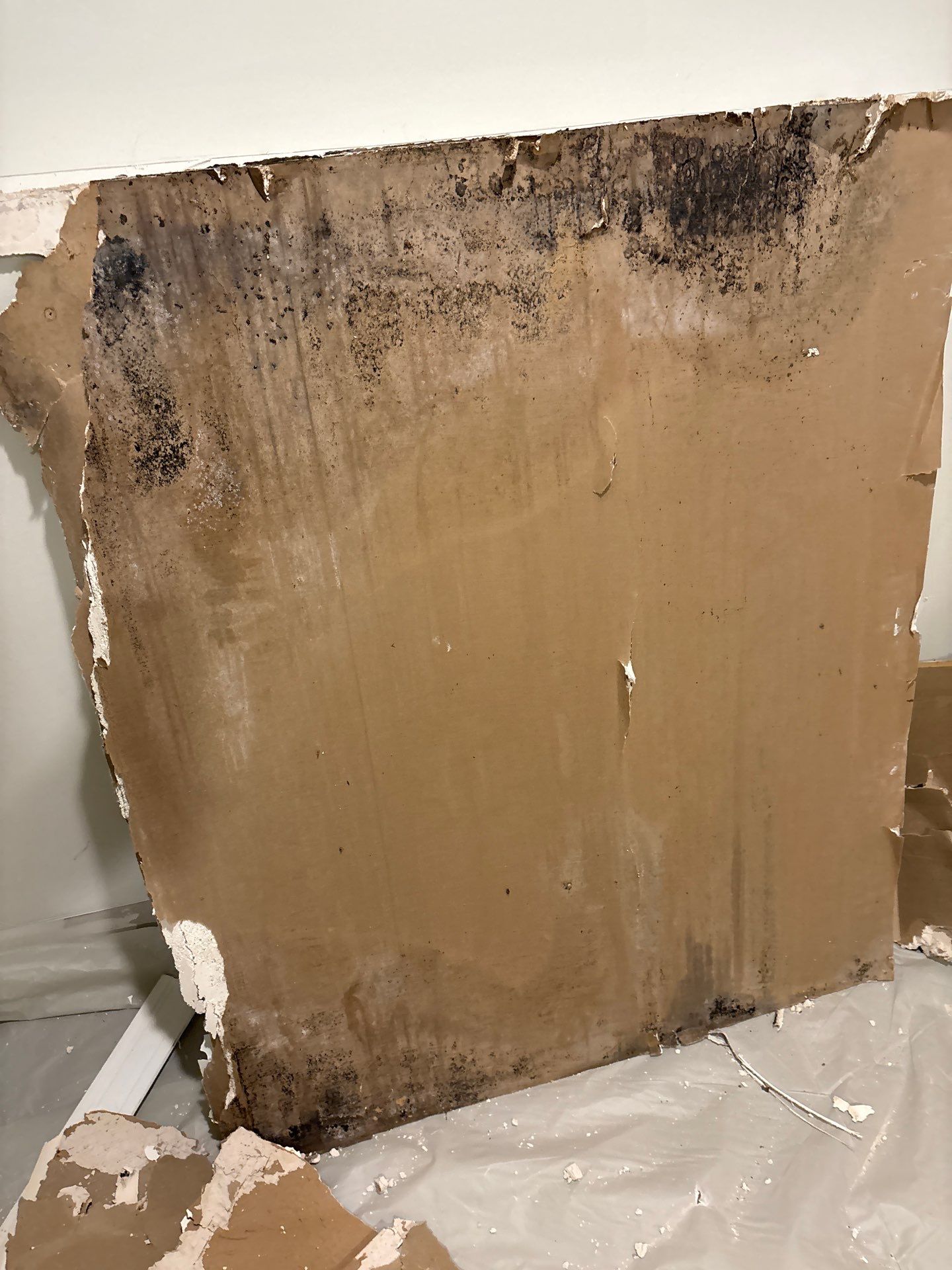
Dark mold growth found during an inspection at a Greater Atlanta property
We test before we removeLab analysis sets the scope, not a visual guess.

Species Tested, Containment Built, Clearance Sampling Confirmed

Species testedPre-remediation lab analysis identifies exactly what is present.
Containment builtNegative air pressure before any material is disturbed.
Clearance confirmedAn independent hygienist verifies the result, not us.
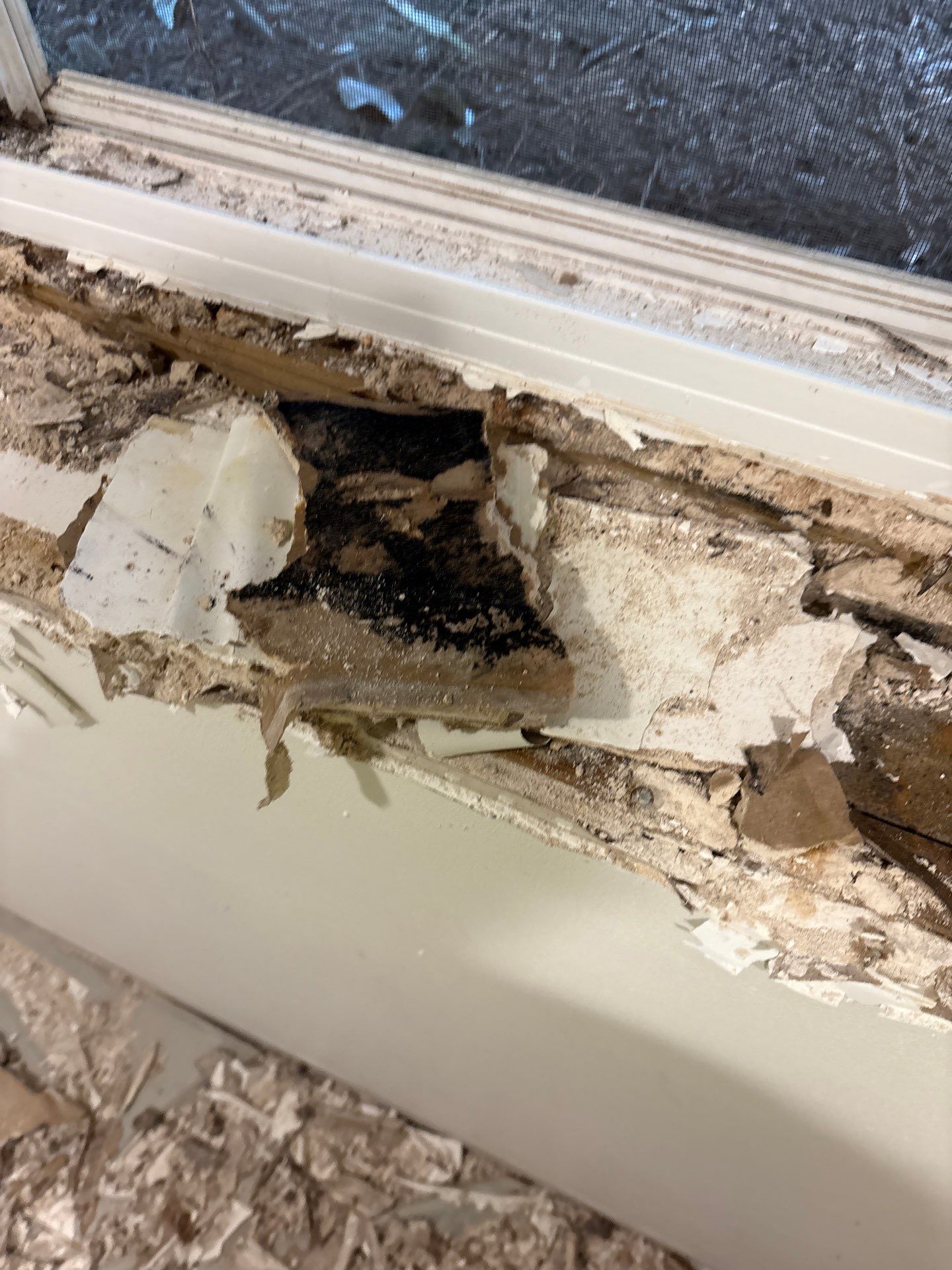
Close detail of dark mold growth on a building surface
Color is not a speciesMost dark mold in Atlanta homes is not Stachybotrys.

What Dark Mold Actually Is

Dark-colored mold is not automatically Stachybotrys. Color alone tells you absolutely nothing definitive.

Most dark mold found in Atlanta homes is Cladosporium, Aspergillus, or Penicillium. These species appear black, dark green, or dark gray. None of them are Stachybotrys chartarum, the toxic organism most commonly called black mold.

Stachybotrys chartarum is a slow-growing organism. It requires weeks of sustained, heavy moisture exposure to colonize a surface. It cannot be identified by sight.

Without formal laboratory analysis, there is no accurate treatment plan. A homeowner who aggressively over-treats a minor Cladosporium colony wastes money. A homeowner who mistakes dangerous Stachybotrys for a basic mildew problem puts their family at severe respiratory risk.

This is exactly why One Stop Restoration mandates pre-remediation testing. We use third-party laboratory analysis to confirm what we are dealing with, and the demolition scope strictly follows the lab results.

Atlanta's Humidity Accelerates Mold Colony Growth

Atlanta's indoor humidity gives every mold colony a massive growth advantage.

Greater Atlanta averages near 80 percent relative humidity during the summer. Even without an active water leak, your crawlspace holds enough ambient moisture to sustain mold colony growth.

Georgia red clay makes this significantly worse. The clay traps heavy ground moisture beneath your house. To combat this, we install heavy-duty 12-mil reinforced vapor barriers, perfectly encapsulating the crawlspace and stopping ground moisture intrusion.

Because of this constant humidity, mold grows dangerously fast. A colony taking 10 days to develop elsewhere reaches visible size here in under a week.

The local climate accelerates all mold species equally. Identification before treatment is never a luxury step. It is the only way to dictate whether the job requires basic surface cleaning or full HEPA containment.

80%Summer relative humidity across the metro
<7 daysFor a colony that takes 10 days elsewhere
12-milReinforced crawlspace vapor barrier
A damp crawlspace of the kind that sustains mold growth year-round in Atlanta
12-mil encapsulation stops ground moistureRed clay traps moisture directly beneath the house.
Sampling and containment work during a mold remediation job
The lab result sets the scopeConfirmed Stachybotrys changes the protocol entirely.

What Atlanta Lab Results Actually Show

Most lab reports do not confirm Stachybotrys. That does not mean the mold is not serious.

When we receive the initial lab results, the most common findings are highly elevated Cladosporium counts. This species requires professional remediation, but it is not Stachybotrys.

However, we absolutely do confirm Stachybotrys in a meaningful percentage of Atlanta jobs. These are always cases with a long-term moisture event: a slow slab leak, a failed vapor barrier, or a venting exhaust fan.

When Stachybotrys is positively confirmed, our protocol changes aggressively. Stachybotrys produces mycotoxins — highly toxic chemical compounds. This severe exposure risk requires us to establish negative air pressure containment before any material is disturbed.

Every confirmed Stachybotrys job receives a written contamination summary documenting the affected surfaces and the exact pre-remediation spore counts. This file is critical for your insurance claim and future real estate disclosures.

When a homeowner calls because they found dark growth in a crawlspace, the first step is testing. Color is not a species.
Nate Simon, Founder & CEO

Managing Georgia EPD Demolition Rules

Removing toxic mold requires us to physically tear out saturated drywall and ruined framing.

In Georgia, structural demolition triggers strict state environmental laws. If your property was built before 1980, the Georgia Environmental Protection Division (EPD) mandates formal asbestos testing.

We strictly follow all EPD mandates. We coordinate the independent asbestos testing. We manage the mandatory 10-day GEOS notification waiting period. We enforce Solid Waste Management Rule 391-3-4 disposal protocols.

Managing this red tape in-house completely protects you from state fines and severe health liabilities.

Two Sets of Test Results Protect the Homeowner

A technician's visual confirmation is absolutely not verification. Independent testing is.

How do you know the mold is actually gone? We run HEPA filtration air scrubbers continuously during remediation. This captures microscopic spores and prevents them from migrating into unaffected clean rooms.

But HEPA filtration during the job does not confirm clearance after the job.

An independent industrial hygienist conducts clearance testing. They perform post-remediation air and surface sampling, verifying that spore levels have returned to safe ranges.

We require independent clearance testing on every Stachybotrys remediation job. Both sets of results are documented in your job file, and you receive the official lab reports directly.

Insurance Bad Faith Laws and Flawless Documentation

A toxic mold claim requires undeniable proof to get paid.

When your adjuster receives our test results, they get absolute proof of loss. We utilize direct insurance billing to completely eliminate your financial stress.

Policyholders in Georgia are heavily protected by state law. Under O.C.G.A. § 33-4-6, insurance carriers face massive penalties for acting in bad faith.

If an insurer unfairly delays a properly documented mold claim, they can be sued. Our flawless third-party lab reports leave carriers with no excuse to deny your valid coverage.

How We Remove and Verify Black Mold in Atlanta

Our Stachybotrys removal process strictly follows the IICRC S520 protocol.

  • Pre-remediation testing

    Independent air samples identify the exact species and spore concentration.

  • Negative air containment

    Sealed work zones use HEPA-filtered air scrubbers to prevent spore migration.

  • Source correction

    We identify and fix the moisture source. Mold always returns without a dry substrate.

  • Material removal

    Porous materials that cannot be sanitized are safely demolished and bagged.

  • Antimicrobial application

    We apply heavy EPA-registered antimicrobials to inhibit recurrence on structural framing.

  • Clearance testing

    Independent sampling confirms that spore counts are completely safe before containment comes down.

The Black Mold Removal Sequence

Every Atlanta black mold removal job follows the same documented sequence. We never take shortcuts.

Step one

Independent diagnostics and scope

We coordinate independent sampling first. Air samples are collected in the affected zone and in an unaffected control room. Swab samples are taken from visible growth.

The strict remediation scope is built entirely around what the lab confirms.

Step two

Strict containment and demolition

Polyethylene barriers isolate the highly toxic work zone. Air scrubbers establish negative air pressure, so air constantly flows into the work area, never out of it.

Affected porous materials are removed and sealed inside the containment zone. Non-porous framing surfaces are HEPA-vacuumed and treated with heavy antimicrobials.

Step three

Post-service clearance verification

Clearance testing is conducted before containment comes down. Independent air samples are compared against the pre-remediation baseline.

Results must confirm that mold levels are completely normal.

Black Mold Removal Across the Greater Atlanta Metro

One Stop Restoration serves the full Greater Atlanta metro from our Norcross headquarters. We rapidly reach high-risk Intown neighborhoods with original wood framing and extremely damp crawlspaces.

  • Decatur
  • Tucker
  • Lithonia
  • Buckhead
  • Sandy Springs
  • Alpharetta
  • Marietta
  • Smyrna

We proudly deploy mitigation crews across Fulton, DeKalb, Gwinnett, Cobb, and Cherokee counties.

Found Dark Mold? Do Not Touch It.

Call before disturbing the colony. Touching it releases millions of toxic spores into the air.

Call One Stop Restoration at 404-777-7077 right now. We answer the phone 24 hours a day. We will schedule pre-remediation testing immediately and walk you through exactly what the lab results mean.

For non-emergency inquiries, email us at info@onestop-restoration.com. Testing first protects your health, your home, and your insurance documentation.

24/7 dispatch

Norcross base, on the I-285 corridor.

Frequently Asked Questions About Black Mold

Is black mold always Stachybotrys chartarum?

No. Dark green, gray, and black mold is usually Cladosporium or Aspergillus. Stachybotrys chartarum is the highly toxic species commonly referred to as black mold. You cannot identify the species by color alone. Only professional laboratory testing can confirm exactly what is growing in your home.

Can I bleach black mold to kill it?

No. Bleach does not kill the roots of mold on porous surfaces like drywall or wood framing. It only bleaches the surface color. This makes the mold invisible while it destroys the material underneath. Bleach also introduces water, which feeds the colony further.

Will homeowners insurance cover black mold removal?

Insurance coverage for mold depends entirely on the source of the moisture. If the mold resulted from a sudden, covered peril, remediation is usually covered. If the mold resulted from long-term neglect, claims are often denied. We thoroughly document the moisture source to support your claim.

Why does black mold removal require asbestos testing?

In Georgia, demolishing damaged drywall triggers state environmental regulations. If your property was built before 1980, the Georgia EPD mandates formal asbestos testing. We handle the 10-day GEOS notification to keep your home totally compliant.

Do I need to move out during Stachybotrys removal?

Stachybotrys produces dangerous mycotoxins. If the lab confirms its presence, the affected area becomes a severe biohazard. Our negative air pressure containment seals off the affected rooms to protect the house. However, depending on the severity of the colony, we may advise temporary relocation.