Slab Leak Cleanup & Water Damage Repair in Atlanta | One Stop

Home/Slab leak cleanup

IICRC Certified Firm 24/7 dispatch Licensed & fully insured

Slab Leak Cleanup & Water Damage Repair in Greater Atlanta

When the plumber fixes the pipe under your foundation, our structural drying work begins immediately. We dispatch emergency crews 24/7 from our Norcross headquarters. Crews are dispatched the moment you call, and our Norcross base keeps most of Inside the Perimeter (ITP) within a short run.

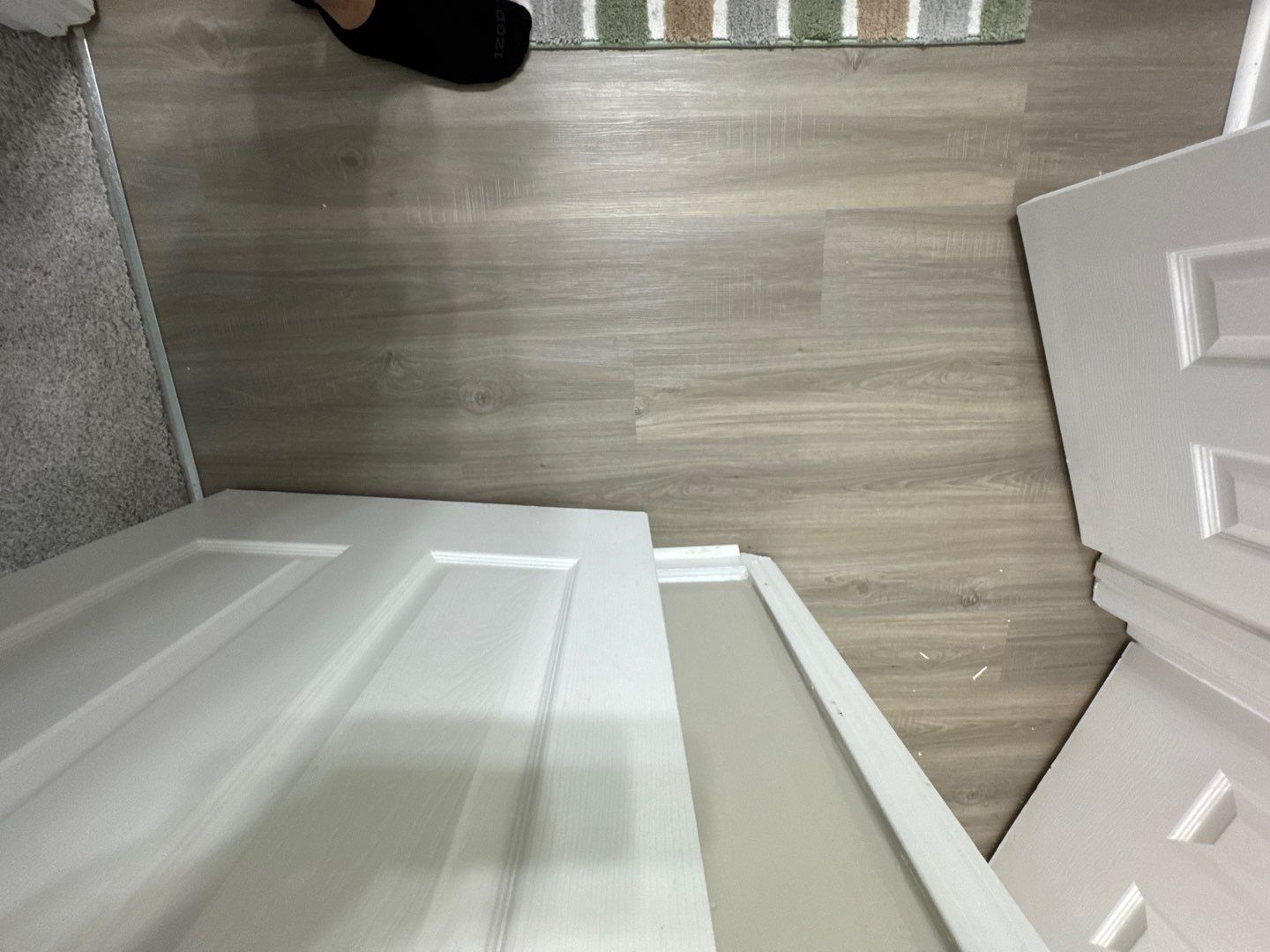
Slab leak water damage being addressed at a Greater Atlanta home
Drying starts the day the pipe is isolatedThe plumber fixes the pipe. Drying the structure is our job.

Moisture Mapped Below Slab, Scope Defined, Drying Confirmed

Mapped below slabPinless meters and thermal imaging locate hidden water first.
Scope definedWe remove nothing outside the documented moisture boundary.
Drying confirmedEquipment stays until the concrete reads dry.
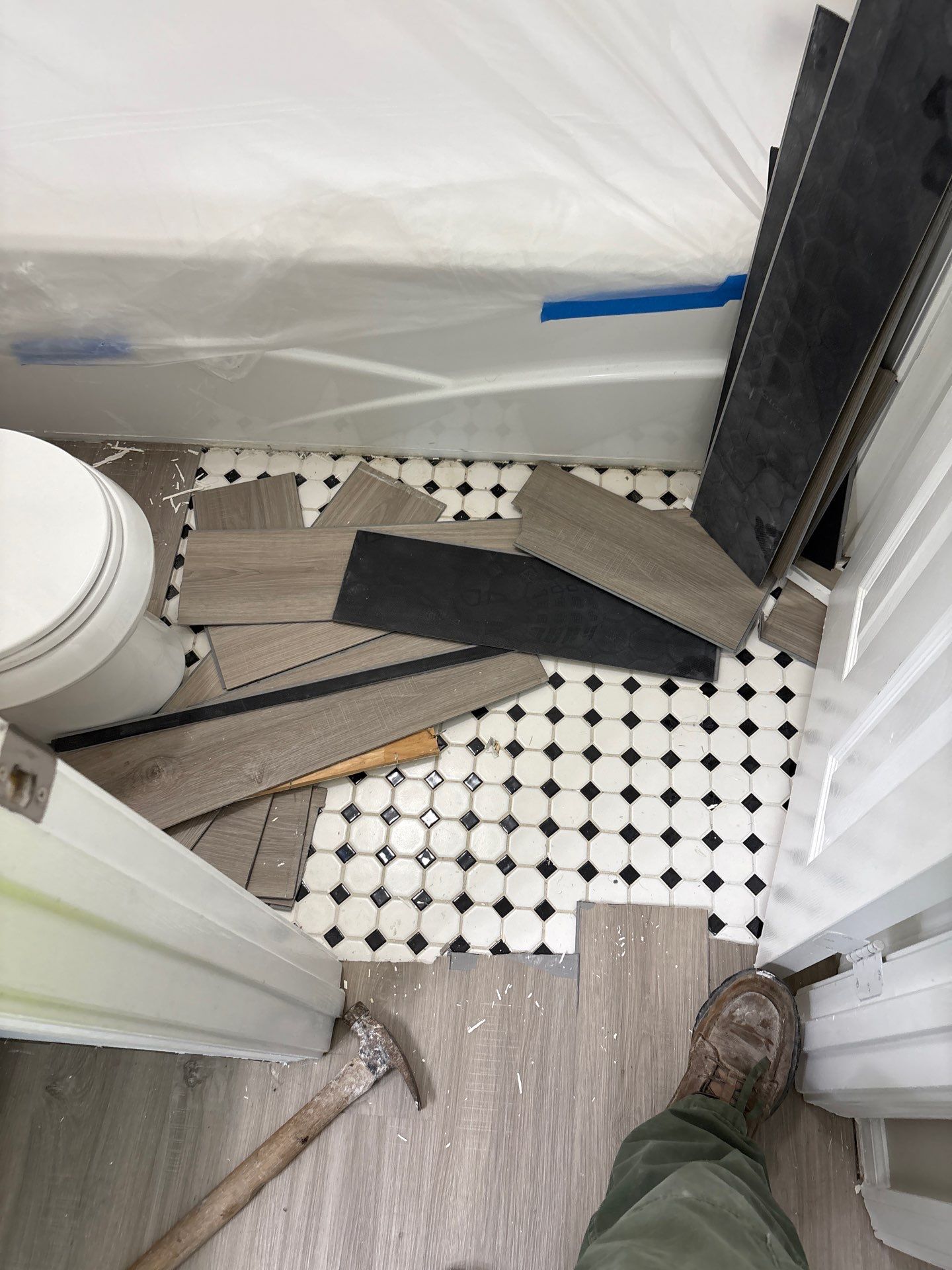
Flooring lifted to expose the concrete slab after a leak repair
Two separate scopes of workRestoration begins the moment the leak is isolated.

What Slab Leak Cleanup Involves After the Plumber

The plumber fixes the broken pipe. The water damage restoration is an entirely separate job.

Slab-on-grade construction is the dominant building method across Atlanta's post-1960s suburbs. The structural concrete slab sits directly on the ground, and the plumbing lines are embedded deep inside or beneath this concrete.

When a supply line develops a slow leak, the water has nowhere visible to go. It saturates the deep soil first, then wicks upward through the porous concrete via capillary action.

By the time your floor feels warm or a hardwood plank cups, water has usually been migrating for weeks. This is exactly when our restoration work begins: the heavy cleanup, structural drying, and exact insurance documentation.

Atlanta's Post-Tension Slabs and Heavy Red Clay

Atlanta's suburban construction corridor creates a unique slab leak problem that older cities never face.

A massive share of homes built in Marietta, Smyrna, and Kennesaw sit on slab foundations. Many of these slabs in Cobb and Cherokee counties use post-tension construction.

A post-tension slab uses heavy steel cables rather than rebar for reinforcement. This cable layout dictates exactly where pipes can run, so a single compromised line can severely affect a large zone. Accurately scoping that damage requires heavy thermal instruments, not just a visual walk.

Atlanta's thick red clay soil complicates this further. Water pressed upward through a concrete slab spreads horizontally as it rises. A leak beneath your master bathroom often shows up as a soft spot in the hallway twelve feet away.

We heavily serve the Cobb and Cherokee slab-construction corridors, dispatching straight from Norcross via I-285 and I-75 North.

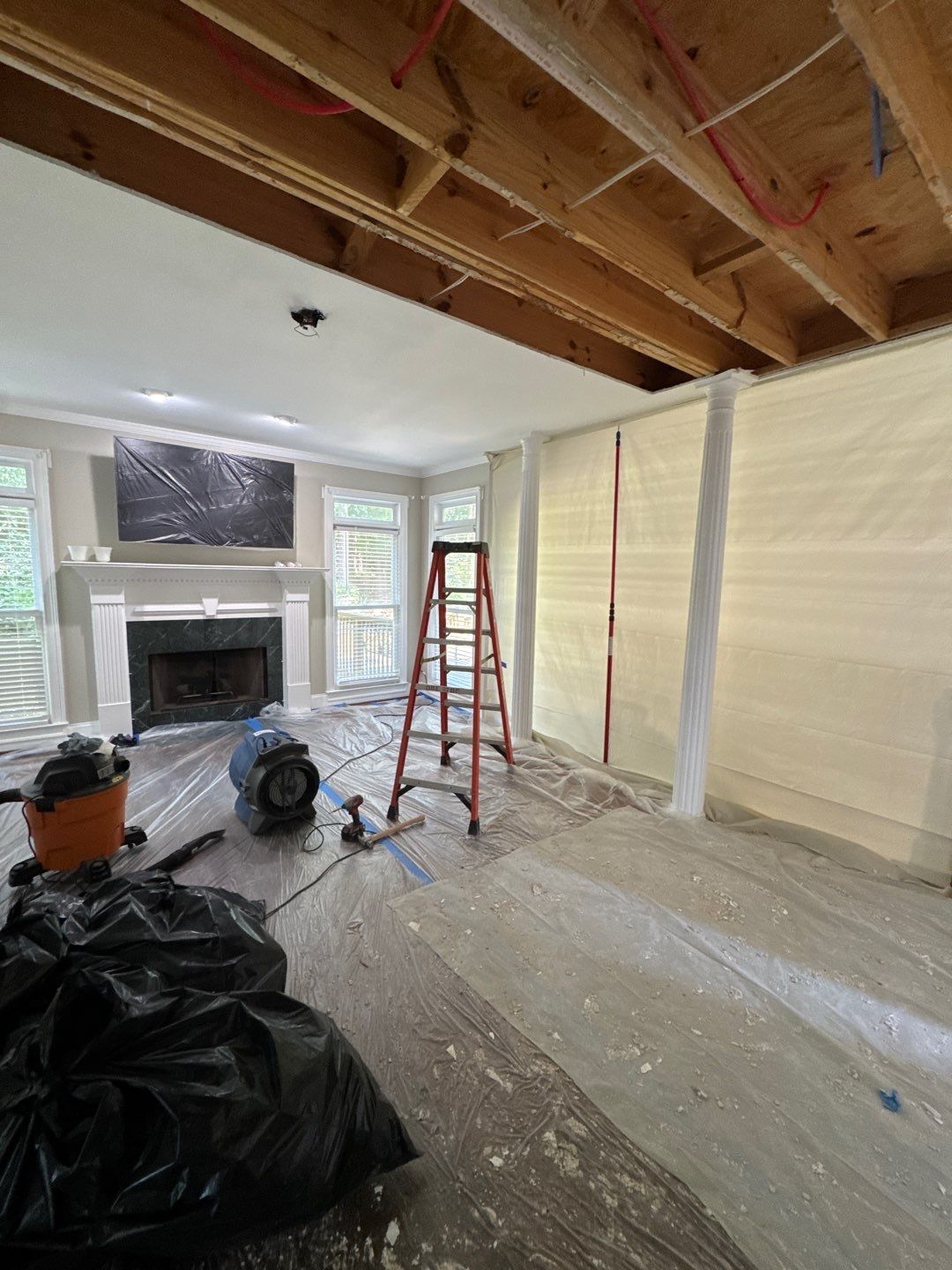
Damage spreading across a slab-on-grade floor in an Atlanta suburb
Water spreads sideways as it risesA leak under the bathroom surfaces twelve feet away.
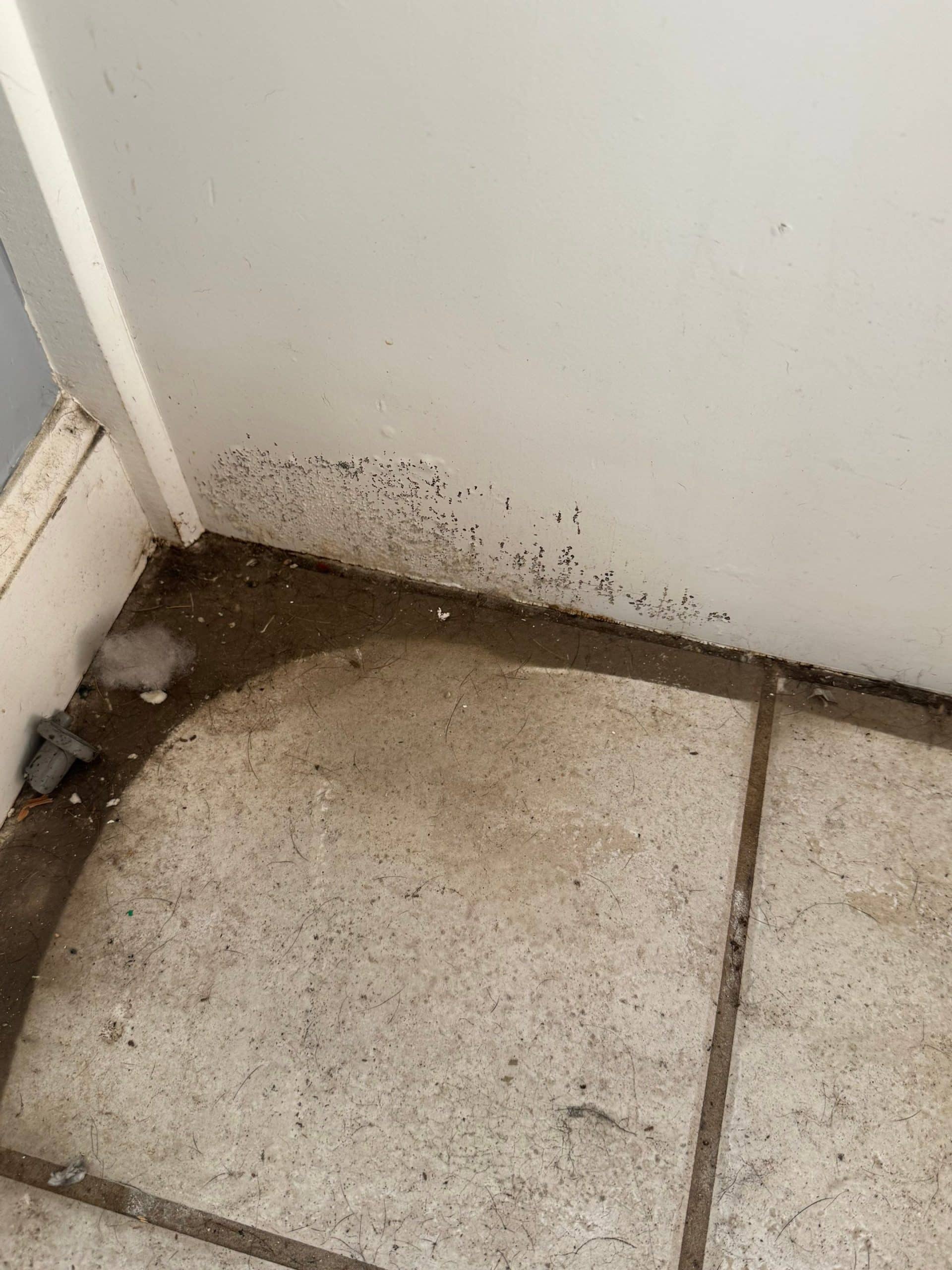
A soft spot and moisture damage in flooring above a slab leak
Active for 30 days before anyone calledBy then the subfloor is already saturated.

The Hidden Signals Atlanta Homeowners Miss

Here is how a slab leak typically goes unnoticed.

A homeowner notices a warm section of tile near the kitchen. The water bill climbs $60 the next month. They call the utility company first. Finally, a straight grout line cracks along the exact pipe route, and a plumber confirms the leak.

By that point, the structural subfloor is entirely saturated. The floor shows a visible soft spot the size of a dinner plate. Our thermal moisture map usually tells a completely different story: the water has often traveled four feet in each direction and wicked up into the wall cavities.

We use pin meters, pinless meters, and thermal cameras to build this map. We never pull up a single board until the data proves it is wet.

I have walked into Atlanta homes where the slab leak was active for 30 days before anyone called a plumber.
Nate Simon, Founder & CEO

Demolition Scope Defined Strictly by Meter Readings

Demolition defined by data means we only replace what is actually wet.

Homeowners always ask us how we avoid tearing out unnecessary flooring. Demolition scope directly affects your total cost and your insurance authorization.

Our answer is incredibly simple. We show you the exact thermal readings. Every single moisture measurement is logged by location, depth, and date, and the strict demolition boundary is drawn from that hard data.

If the meter says a section of hardwood is completely dry, it stays. Your insurance adjuster receives this exact documented map. There is zero guesswork on either side.

Georgia EPD Demolition Rules and Structural Rebuilding

Removing ruined flooring and saturated drywall triggers strict state environmental laws.

If your home was built before 1980, Georgia law mandates independent asbestos testing before any demolition begins. We strictly follow all Georgia Environmental Protection Division (EPD) mandates.

We coordinate the required third-party clearance testing. We handle the mandatory 10-day GEOS notification waiting period. We ensure all debris is removed under Solid Waste Management Rule 391-3-4.

Once the structure is completely dry, our reconstruction team handles the entire rebuild. We navigate the City of Atlanta Accela permitting system for all framing repairs, and for designated historic districts we manage the Urban Design Commission (UDC) Certificate of Appropriateness (COA).

Navigating Georgia Insurance Claims and Bad Faith Laws

A slab leak claim is only as strong as its paperwork.

When your adjuster receives our thermal map, they get undeniable proof of loss. We utilize direct insurance billing to eliminate your immediate financial stress.

Policyholders in Georgia are heavily protected by state law. Under O.C.G.A. § 33-4-6, insurance carriers face massive penalties for acting in bad faith. If an insurer unfairly delays a properly documented slab leak claim, they face heavy fines.

Our flawless 3D Matterport scans and itemized logs provide absolute proof of loss. This leaves carriers with no excuse to deny your valid coverage.

How We Clean Up and Dry a Slab Leak

IICRC-certified slab leak cleanup strictly follows a documented protocol.

One Stop Restoration is an IICRC Certified Firm. Slab leak cleanup falls under the strict IICRC S500 protocol.

  • Moisture mapping first

    Pinless and infrared readings establish the full wet boundary before demolition.

  • Data-driven demolition

    No material is ever removed outside the strict moisture map boundary.

  • Hardwood assessment

    We evaluate salvage potential before pulling any original floorboards.

  • Industrial drying

    We position air movers and LGR dehumidifiers based purely on room geometry.

  • Psychrometric logs

    We track temperature and humidity daily to prove the drying environment is working.

  • Clearance validation

    Our heavy equipment does not leave until meter readings confirm the concrete is completely dry.

The Slab Leak Cleanup Sequence

Cleanup begins the exact same day the pipe is isolated. We never wait.

Step one

Diagnostics and thermal mapping

We arrive the moment the plumber isolates the leak source. Our first action is a full moisture scan using thermal cameras.

We precisely map the wet boundary beneath the slab, inside the flooring, and into adjacent walls.

Step two

Data-driven demolition

We remove flooring materials that fall strictly within the documented moisture boundary. Adhesive and topping slab sections are aggressively addressed.

We deploy low-grain refrigerant (LGR) dehumidifiers to establish a deeply controlled drying environment.

Step three

Post-drying validation

Final moisture meter readings prove the structural assembly is dry. Our drying log includes a date-stamped record of all psychrometric readings.

If the concrete is dry, the equipment is removed. If it remains wet, the drying continues.

Slab Leak Cleanup Across Cobb, Cherokee, and Greater Atlanta

One Stop Restoration serves the full Greater Atlanta slab-construction corridor.

  • Marietta
  • Smyrna
  • Kennesaw
  • Acworth
  • Powder Springs
  • Austell
  • Buckhead
  • Sandy Springs
  • Dunwoody

We proudly deploy mitigation crews across Fulton, DeKalb, Gwinnett, Cobb, and Cherokee counties.

The Plumber Just Left? We Handle What Comes Next

The pipe is fixed. Now the saturated structure desperately needs to dry.

One Stop Restoration maps the moisture, safely removes what is wet, and confirms the drying data. Call 404-777-7077 right now to schedule a same-day moisture scan. We answer the phone 24 hours a day.

If you have plumbing documentation to share first, email us at info@onestop-restoration.com. We will dispatch a fully equipped team immediately.

24/7 dispatch

Norcross base, on the I-285 corridor.

Frequently Asked Questions About Slab Leaks

Does my plumber dry out the water damage after fixing the pipe?

No. Plumbers are licensed to fix the broken pipe. They do not carry the industrial dehumidification equipment, thermal imaging tools, or IICRC certifications required to dry the structural framing. Restoration is a completely separate phase of the job.

Will homeowners insurance cover the slab leak water damage?

Insurance typically covers the ensuing water damage to your floors and drywall. However, they rarely cover the cost of the actual pipe repair itself. We meticulously document the exact moisture spread using Xactimate software. We provide your adjuster with the exact proof they need to approve the mitigation claim.

Can you save my hardwood floors after a slab leak?

Hardwood over concrete is extremely vulnerable because the concrete holds moisture against the wood. However, if we arrive fast, we can sometimes save the floor. We use specialized floor-drying mats that aggressively pull moisture out of the planks before they permanently cup or warp.

Do I have to move out during the slab leak cleanup?

Usually, no. If the slab leak involved a clean supply line, the drying process is noisy but perfectly safe. You can remain in the home. However, if a drain line leaked raw sewage beneath the slab, the area becomes a Category 3 biohazard. We will strictly advise you on safety during our initial assessment.

What happens if my insurance company denies the slab leak claim?

We document your loss flawlessly from hour one to prevent baseless denials. Under Georgia law (O.C.G.A. § 33-4-6), insurers cannot unreasonably delay or deny proven mitigation claims. Our daily moisture logs provide the hard, undeniable evidence you need to force a fair settlement.