
Classification and pre-demolition checks
We arrive, classify the contamination category, and document the affected area photographically.
On older properties, an independent testing firm checks building materials before any tear-out begins.
Home/Flood cleanup
Contaminated floodwater requires immediate emergency extraction and aggressive sanitization. We dispatch 24/7 from our Norcross headquarters. Crews are dispatched the moment you call, and our Norcross base keeps most of Inside the Perimeter (ITP) within a short run.
Flood cleanup is absolutely not the same as drying out a clean burst pipe.
When a clean pipe bursts, the water is sterile. When floodwater enters your home from the ground, it is immediately toxic. Floodwater picks up severe contaminants before it ever reaches your floor: surface runoff, drain overflow, soil bacteria, and chemical residue travel directly with it.
Under strict IICRC S500 standards, this is classified as Category 2 (Gray Water) or Category 3 (Black Water). Category 3 water carries pathogens, raw sewage, and heavy bacteria.
Category 3 water never dries clean. Removing the visible water is only the first step. Treating every structural surface that contacted the water is mandatory, and verifying safe air quality before reoccupancy is the final step.
Backed by 15 years of family-owned experience, we handle all three phases. Everything is classified, documented, and submitted perfectly for your insurance file.
Atlanta's ground conditions turn heavy rain into a severe structural threat incredibly fast.
Atlanta sits heavily on Georgia's Piedmont Plateau. The red clay soil here sheds water rapidly instead of absorbing it. During a severe flash flood, this hard clay pushes surface water forcefully against your foundation, filling crawlspaces and below-grade entries before storm drains can process it.
Older Atlanta neighborhoods south of I-20 frequently experience combined sewer infrastructure backups. Water entering a ground-floor space in Reynoldstown or Vine City usually carries raw drain overflow. This is a massive Category 3 event, requiring OSHA-compliant handling under 29 CFR 1910.1030 for biohazard material.
We dispatch heavily equipped teams straight from Norcross, and rapidly serve Atlanta's flood-prone lower-elevation neighborhoods including the Peachtree Creek drainage corridor.
The first 20 minutes on site completely determine if the cleanup is successful.
We identify the water source and entry point before our equipment comes off the truck. A sump pump failure in Buckhead is completely different than a sewer surcharge in Pittsburgh.
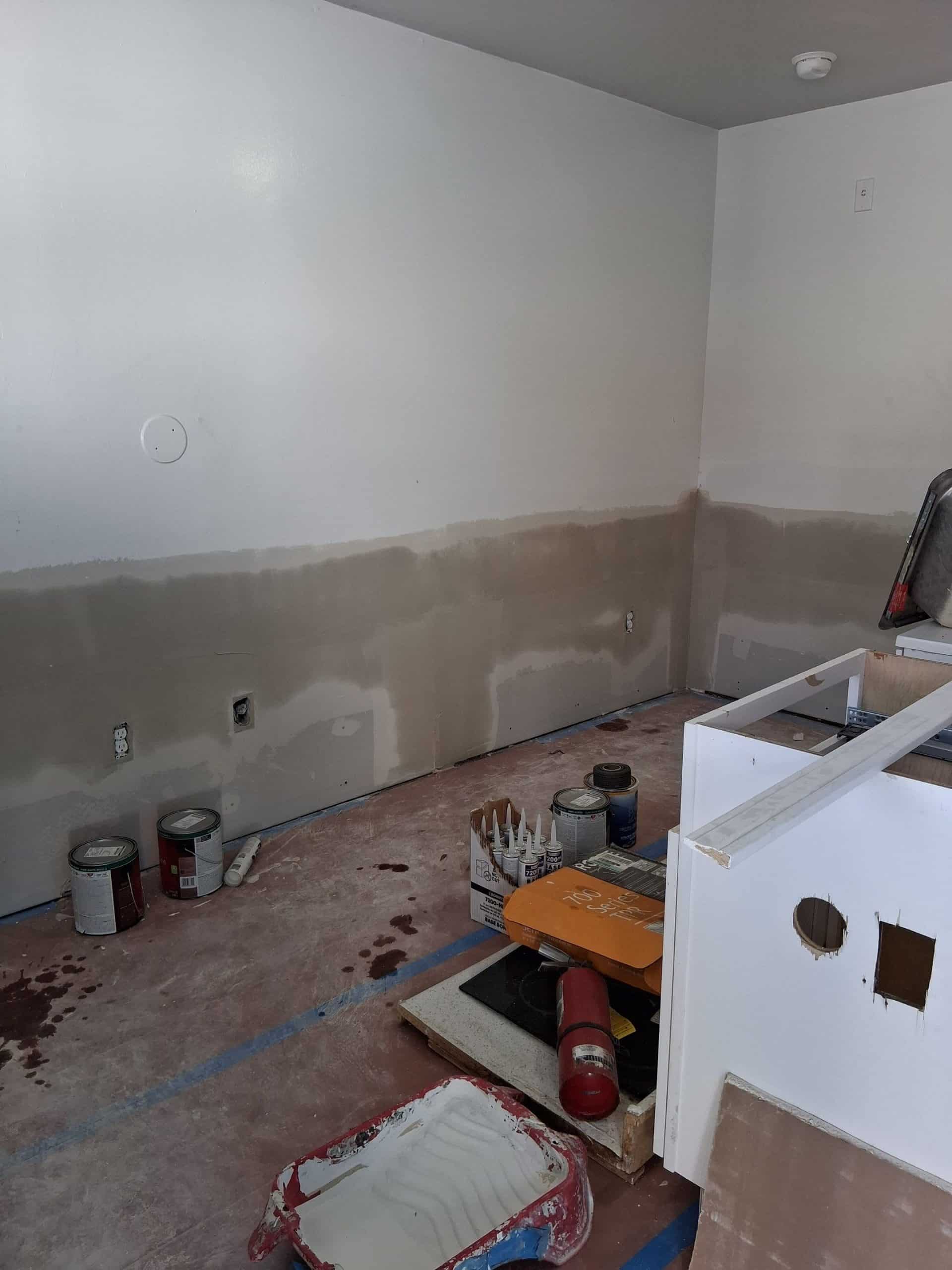
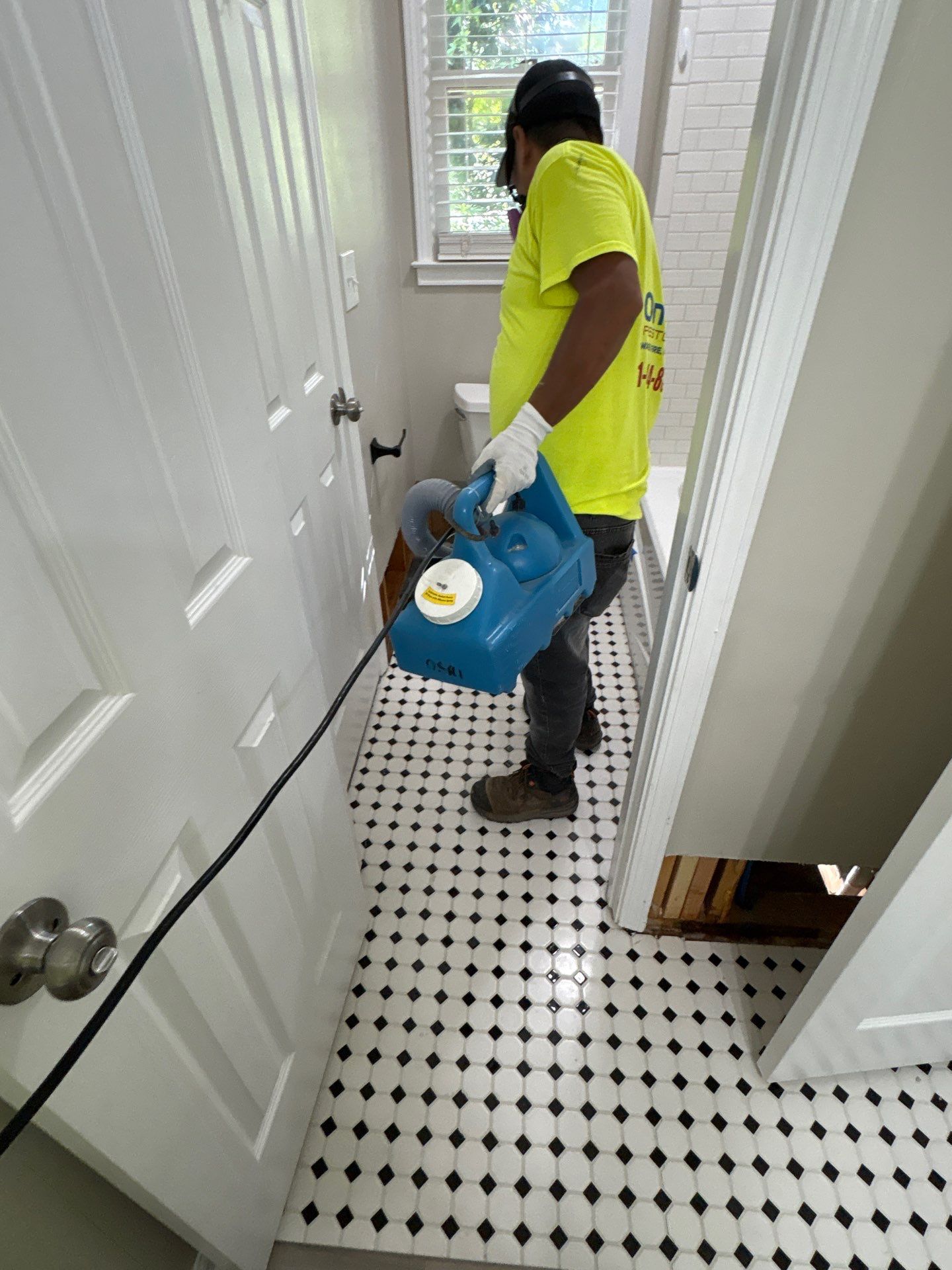
The contamination category determines our exact Personal Protective Equipment. It dictates which porous materials get removed immediately. Flooring that contacts Category 3 water must come out. Drywall that wicked contamination more than 12 inches above the flood line must come out. We make this removal decision strictly by meter readings.
Atlanta's extreme year-round humidity means biological contamination inside a wall cavity will never stay dormant. We write the exact scope to entirely eliminate that risk.
Every flooded property tells us the same thing. Lasting jobs always start with strict water classification before extraction begins.
Contaminated floodwater requires us to rapidly tear out ruined drywall and saturated flooring.
On older properties, an independent testing firm checks building materials before any tear-out begins.
We coordinate the required third-party clearance testing. Where material needs specialist removal, a licensed abatement contractor handles it, and we schedule our work around theirs.
We also strictly enforce Solid Waste Management Rule 391-3-4 disposal guidelines. Getting that sequence right up front keeps the job compliant and on schedule.
Antimicrobial treatment without a strict written record is just a verbal assurance.
One Stop Restoration applies heavy EPA-registered antimicrobial agents. We treat every surface that contacted Category 2 or 3 water.
This treatment is strictly logged by surface type, specific product used, and location. We complete this heavy documentation before our crew ever leaves the property.
Insurance carriers increasingly demand this documentation to authorize claims. A file that proves exactly what was treated moves through adjuster review much faster.
A flood restoration job is only as strong as its paperwork.
When your adjuster receives our scope, they get absolute proof. We utilize direct insurance billing to immediately reduce your financial stress. We are fully insured and highly licensed.
Policyholders in Georgia are fiercely protected by state law. Under O.C.G.A. § 33-4-6, insurance carriers face heavy penalties for acting in bad faith. If an insurer unfairly delays a properly documented flood claim, they face heavy fines.
Our flawless 3D Matterport scans and itemized logs provide undeniable proof of loss. We leave carriers with no excuse to deny your valid coverage.
Every flood job follows a highly documented sequence. We never skip a phase.
We arrive, classify the contamination category, and document the affected area photographically.
On older properties, an independent testing firm checks building materials before any tear-out begins.
Truck-mounted extractors remove standing water fast.
Contaminated porous materials are safely removed and bagged per OSHA biohazard standards.
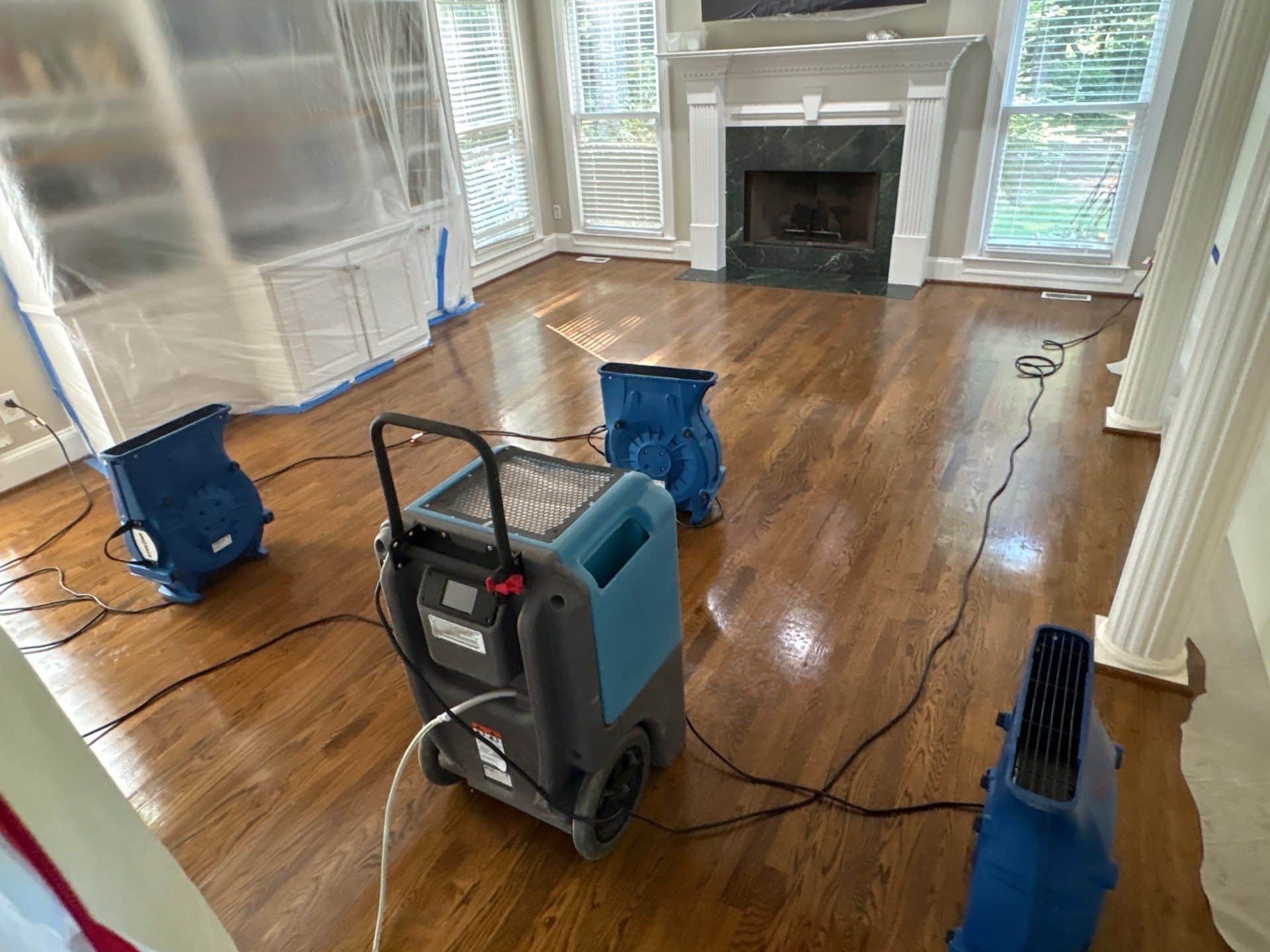
EPA-registered antimicrobial treatments are heavily applied to all structural surfaces. Air movers and dehumidifiers dry the remaining structure.
Finally, post-cleanup air sampling confirms microbial levels are normal and safe.
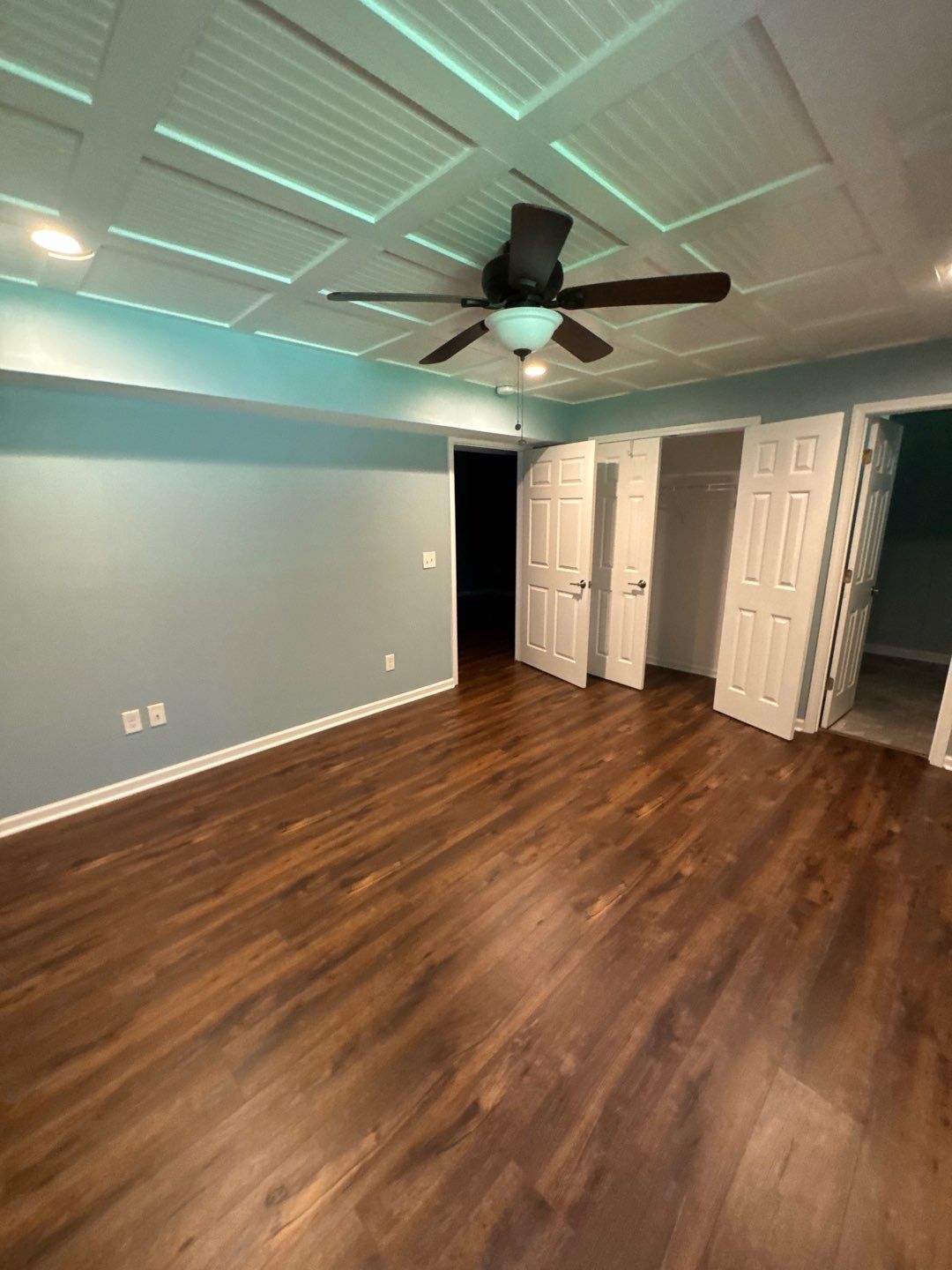
When the house is dry, our reconstruction team handles the entire rebuild.
We pull required City of Atlanta Accela permits and execute the drywall, flooring, and finishing.
One Stop Restoration serves the full Greater Atlanta metro from our Norcross headquarters.
We respond rapidly to flood events across Fulton, DeKalb, Gwinnett, Cobb, and Cherokee counties.
Do not touch Category 3 floodwater. It is a severe biohazard.
Call 404-777-7077 right now. We answer the phone 24 hours a day, every day.
Tell us your address and exactly what you are seeing. We will dispatch a fully equipped biohazard mitigation crew immediately.
Norcross base, on the I-285 corridor.
No. Floodwater that enters your property from the street or overflowing streams is always classified as Category 3 Black Water. It carries dangerous biological pathogens, raw sewage, and chemical runoff. Do not attempt to extract it yourself. Wait for our equipped biohazard team.
Standard homeowners insurance policies usually do not cover groundwater flooding from external storms. You typically need a separate FEMA flood insurance policy. However, if the flooding was caused by a sudden internal failure, it is usually covered. We document the exact source of water to help clarify your coverage.
Category 3 water is highly toxic. When contaminated water touches porous materials like drywall, the pathogens wick upward into the wall cavity. You cannot clean or sanitize porous drywall that has absorbed raw sewage. It must be safely demolished and replaced.
Yes. We are a full-cycle restoration company. We handle both the initial toxic mitigation and the final structural rebuild. If your structural framing requires replacement, we handle the red tape and pull the necessary Accela permits from the City of Atlanta.
Work on those materials stops at that point. An independent testing firm checks them, and if they need specialist removal, a licensed abatement contractor handles it before our work continues. On pre-1980 properties we arrange that testing before tear-out begins, so it rarely comes as a surprise.