Reconstruction & Rebuild After Water Damage in Greater Atlanta
We dry the structure, handle the complete rebuild, and return the keys. We dispatch 24/7 from our Norcross headquarters. Crews are dispatched the moment you call, and our Norcross base keeps most of Inside the Perimeter (ITP) within a short run.
Mitigation and rebuild, one contractWe dry the structure, rebuild it, and return the keys.
Gutted Rooms Rebuilt, Insurance File Ready, Keys Returned
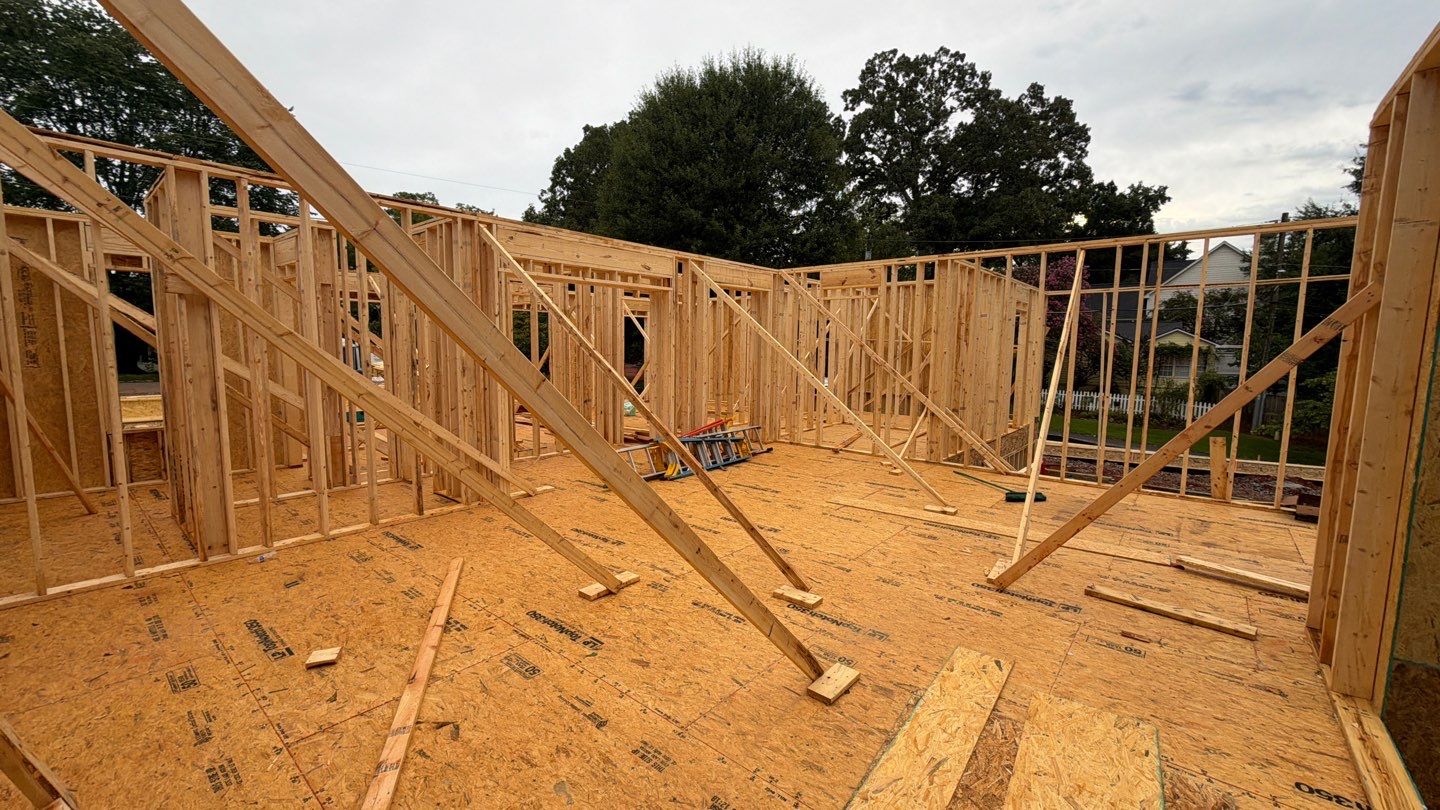
Gutted rooms rebuiltDrywall, flooring, cabinetry and structural framing.
Insurance file readyThe rebuild scope references the file your adjuster already approved.
Keys returnedStraight through to the final Certificate of Occupancy.
Where most homeowners get stuckThe drying equipment leaves and the rebuild scope begins.
What Full Water Damage Reconstruction Actually Includes
Reconstruction starts the exact moment structural drying ends. This is exactly where most Atlanta homeowners find themselves stuck without a contractor.
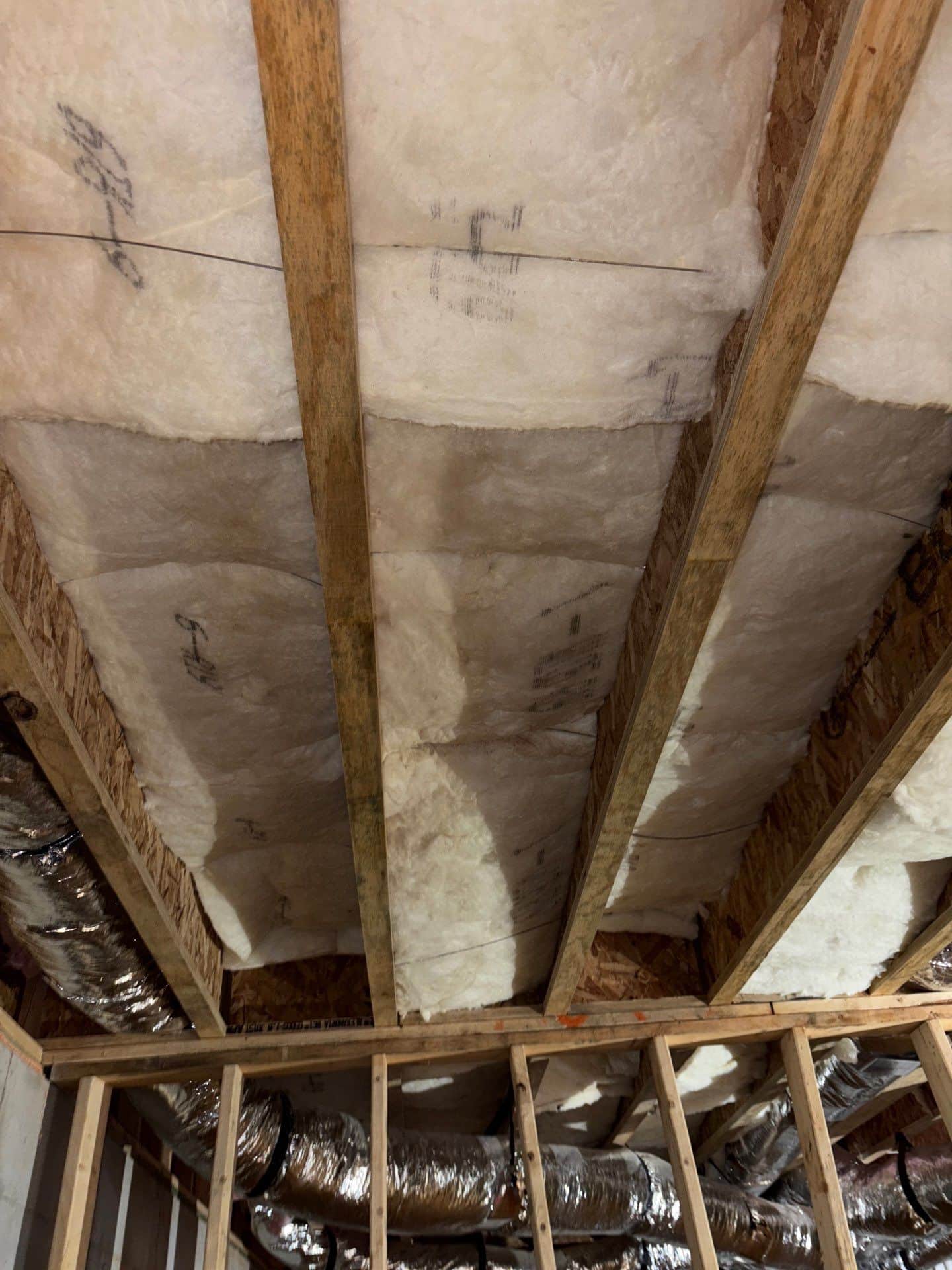
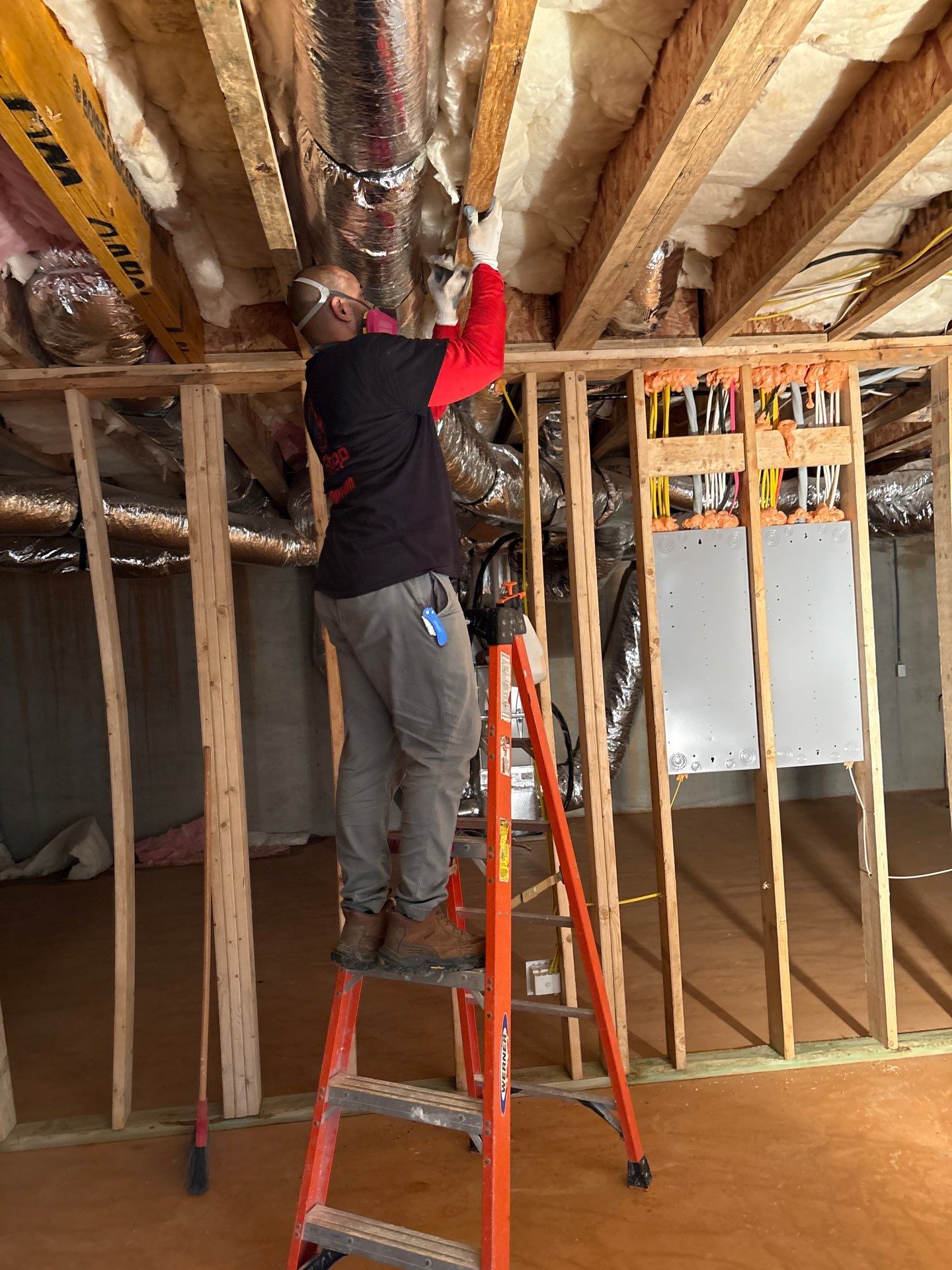
The heavy drying equipment is gone. The walls are open. The flooring is stripped to bare concrete. What remains is a massive reconstruction scope — the defined list of finish materials that must be replaced to rebuild your home. It includes drywall, insulation, flooring, cabinetry, and structural framing.
This is not basic demolition work. It requires a highly licensed contractor and a heavily documented scope of work.
At One Stop Restoration, reconstruction is part of the original mitigation contract. You do not start over with a blank contractor list. The rebuild begins the exact moment drying is confirmed, using the exact same damage file and team.
The Contractor Handoff Delays Atlanta Rebuilds
The contractor handoff is where Atlanta rebuilds completely stall out. It is entirely avoidable.
Most mitigation companies and reconstruction contractors are entirely separate businesses. One company dries. A different company rebuilds. You are forced to desperately coordinate between them.
This gap easily stretches into weeks of delays. A drywaller needs to see the job first. A flooring installer needs to schedule around them. A finish carpenter needs the drywall completely finished. Meanwhile, your home sits under an open insurance claim, and every scheduling delay adds massive disruption to your life.
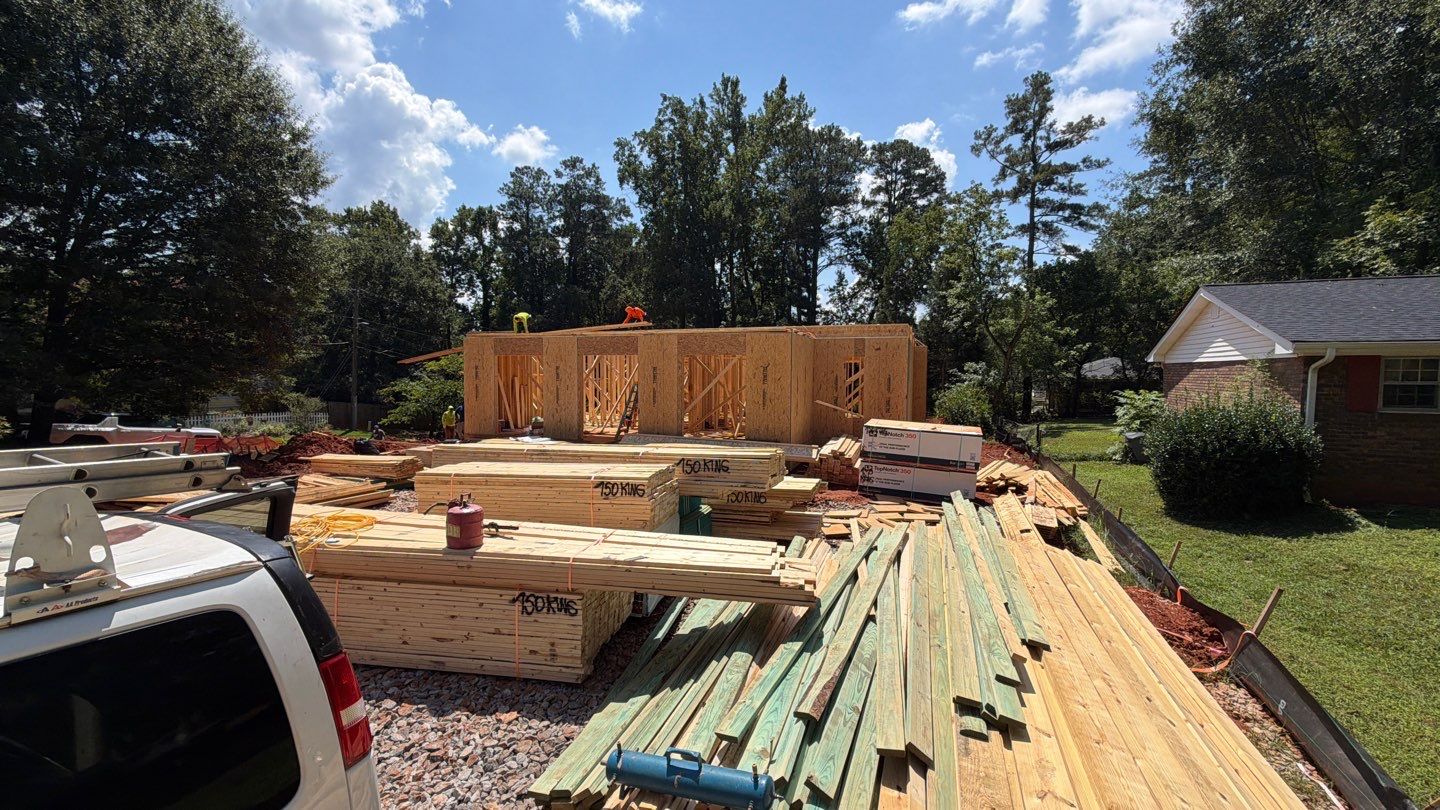
Atlanta's slab-on-grade construction makes this extremely complex. When a pipe leaks beneath a concrete slab foundation, the subfloor restoration involves heavy concrete work. You cannot lay finish flooring without it.
We dispatch directly from Norcross and reach major suburbs like Lawrenceville and Duluth instantly. We handle the mitigation and the rebuild under one roof. No new adjuster calls. No massive gaps in documentation.
One crew, no handoff gapThe rebuild starts the moment drying is confirmed.
Three line items that were really elevenThe scope is read against the mitigation file first.
Inside a Gutted Room Assessment
The first thing I check is not the exposed walls. I check the exact scope of work file from the mitigation team.
If One Stop ran the mitigation, that file already contains strict moisture logs and a damage map. Every affected material is strictly listed. That is the undeniable foundation of the rebuild estimate.
When I walk a room that was previously torn out, the assessment changes. I am reading what is there and what is completely missing. Bare studs tell me the drywall is out. Exposed concrete tells me the flooring is gone.
One job in Duluth perfectly highlights this exact issue. A second-floor bathroom supply line failed overnight, and water traveled through the subfloor into the first-floor living room ceiling. When I walked the job, the original scope file listed only three items. The actual structural damage was closer to eleven line items. The living room drywall was listed. The saturated insulation above it was totally ignored.
We rebuilt the home correctly. We installed new ceiling drywall, replaced the wet insulation, and matched the hardwood exactly. The insurance adjuster approved the updated scope because our strict documentation supported every single line.
I have walked into hundreds of gutted rooms. The homeowner always asks exactly the same thing: where do we start?
Navigating Atlanta Building Permits and Local Codes
Reconstruction after a severe loss requires strict municipal compliance.
Rebuilding structural framing or altering electrical systems requires formal municipal permits. We handle this bureaucracy entirely internally, navigating the City of Atlanta Accela permitting system for you.
Certain Atlanta neighborhoods trigger additional heavy red tape. If your property sits in a designated historic district like Inman Park, we manage the Urban Design Commission (UDC) Certificate of Appropriateness (COA) process before any exterior rebuild begins.
Undertaking post-disaster reconstruction without these Accela permits can result in massive municipal fines. It can also void your active homeowners insurance policy. We completely protect you from this liability.
Testing Older Materials Before Demolition
Before we rebuild, damaged structural materials must be safely removed.
On older properties, an independent testing firm checks building materials before any tear-out begins.
We enforce Solid Waste Rule 391-3-4 disposal protocols. Where material needs specialist removal, a licensed abatement contractor handles it, and we schedule our work around theirs.
Insurance Documentation and Georgia Bad Faith Laws
Your insurance adjuster already reviewed the damage file. The rebuild must use that exact same record.
When we handle both mitigation and reconstruction, the rebuild phase begins from a perfect record. Moisture logs and material removal data carry directly into the reconstruction scope.
Policyholders in Georgia have strong legal protections during the rebuild phase. Under O.C.G.A. § 33-4-6, insurance carriers face heavy penalties for acting in bad faith. If an insurer unfairly delays authorizing a documented reconstruction scope, they can be penalized heavily.
A rebuild estimate that references the job file your adjuster already approved
Every line item formatted using Xactimate estimating software
Moisture logs and material removal data carried straight through
Direct insurance billing to eliminate your financial stress
Our Water Damage Rebuild Sequence in Atlanta
Every rebuild starts with a line-by-line scope that precisely matches the insurance adjuster's format.
Scope before demo
Every line item is confirmed against the original mitigation map before materials are ordered.
Structural moisture checks
We never install drywall over framing that has not been verified completely dry.
Permit management
We secure all Accela and municipal permits before structural work begins.
Material matching
Flooring, cabinetry, and trim are matched to existing finishes to eliminate visual scarring.
Insurance-format billing
Every invoice line item is organized by damage category for the adjuster.
Final walkthrough
We manage the entire rebuild straight through to the final Certificate of Occupancy.
The Rebuild Sequence: From Framing to Finish
Reconstruction strictly follows a fixed sequence. Skipping steps is exactly how rebuilds fail county inspections.
Step one
Scope development and insurance coordination
Before any material is ordered, we finalize the reconstruction scope of work. This document lists every affected material and every labor category required, formatted in Xactimate.
If we handled the mitigation, this step takes hours, not days. We submit the reconstruction scope as a rapid supplement to the existing claim.
Step two
Structural and subfloor restoration
Drywall never goes back up until framing is verified completely dry. Flooring never goes down until subfloor structural integrity is absolutely confirmed.
We verify framing moisture content with calibrated meters and log the readings daily.
Step three
Finish work and final walkthrough
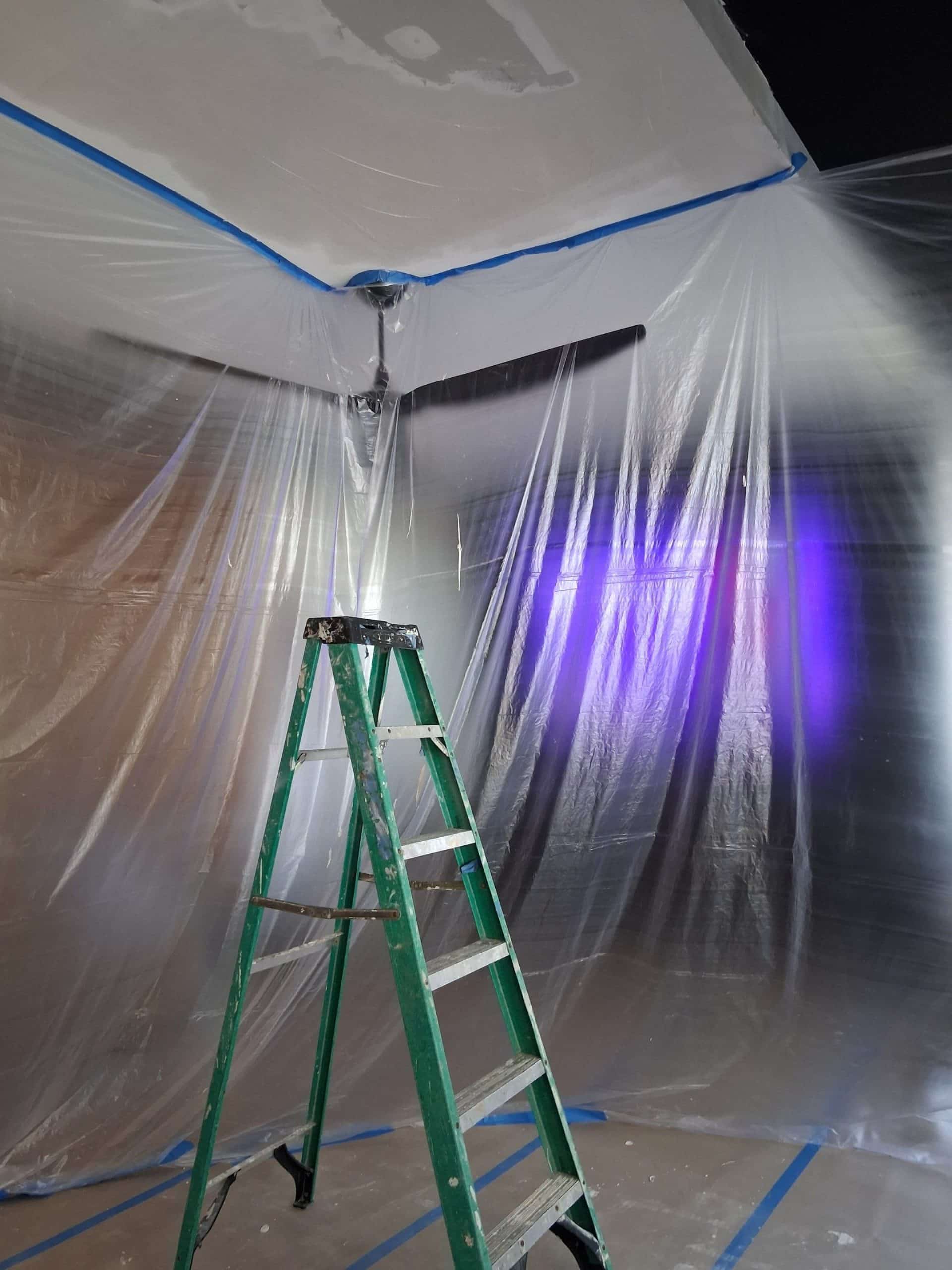
We execute the drywall installation, taping, and final painting. We handle hardwood, luxury vinyl plank, and carpet reinstallation, and we manage cabinet replacement and trim matching.
The final walkthrough confirms every single line item is completely finished.
Reconstruction Services Across Greater Atlanta
One Stop Restoration serves the full Greater Atlanta metro for water damage rebuilds. Our Norcross headquarters provides fast access across the metro.
Buckhead
Decatur
Marietta
Smyrna
Duluth
Lawrenceville
Johns Creek
Roswell
We proudly deploy construction crews across Fulton, Gwinnett, DeKalb, Cobb, and Cherokee counties.
Rebuilt so the repair does not showFlooring, cabinetry and trim matched to the existing finishes.
Is the Mitigation Done? Let's Talk Rebuild
The stressful part is finally over. The rebuild is what puts your home back together.
If your mitigation is complete and your home is sitting gutted, call One Stop Restoration. We will properly scope the rebuild, submit it to your adjuster, and pull the permits.
Call 404-777-7077 right now. We answer the phone 24 hours a day. You can also reach us by email at info@onestop-restoration.com. Tell us the exact address and where the job currently stands. We will take it from there.
Do I need to hire a separate general contractor for the rebuild?
No. One Stop Restoration handles both the initial mitigation and the final reconstruction under one contract. This completely eliminates the costly scheduling delays and documentation gaps that occur when you hand the job off to a separate framing or drywall contractor.
Does homeowners insurance cover the cost of reconstruction?
Yes, standard policies cover the cost to return your home to its pre-loss condition after a covered peril. We write our reconstruction estimates using Xactimate software. This provides your adjuster with the exact line-item pricing they require to approve the rebuild budget quickly.
Do you handle the building permits for reconstruction?
Yes. We pull all necessary permits through the City of Atlanta Accela system or the specific county building department. We handle all inspections. If your home is in an Atlanta historic district, we also navigate the mandatory UDC Certificate of Appropriateness process.
Can you match my existing hardwood floors and paint colors?
Yes. Material matching is a critical phase of our reconstruction process. We source flooring, custom cabinetry, and trim that matches your existing finishes. We ensure the repaired rooms blend seamlessly into the rest of your home without leaving a visual footprint.
What happens if my insurance company delays the rebuild payment?
We provide flawless documentation to prevent these delays. However, if your carrier unreasonably delays payment on an approved scope, you are protected by Georgia law. O.C.G.A. § 33-4-6 penalizes carriers who operate in bad faith, giving you leverage to force a fair settlement.