
Call 404-777-7077 for an active emergency. We offer local live answering 24/7, including holidays.
From a safe, dry location, record when you discovered the water and where you saw it entering.
Call 404-777-7077 for an active emergency. We offer local live answering 24/7, including holidays.
From a safe, dry location, record when you discovered the water and where you saw it entering.
Start with the date, discovery time, affected rooms, visible water level, entry point, odors, and whether water is still entering. Record only what you can observe safely. If the entry point is unclear, say that.
Stay outside areas with suspected sewage, structural, electrical, gas, or plumbing hazards.
Our sewage backup cleanup service addresses contaminated water cleanup. Tell us about visible hazards when calling so the initial account includes access concerns.
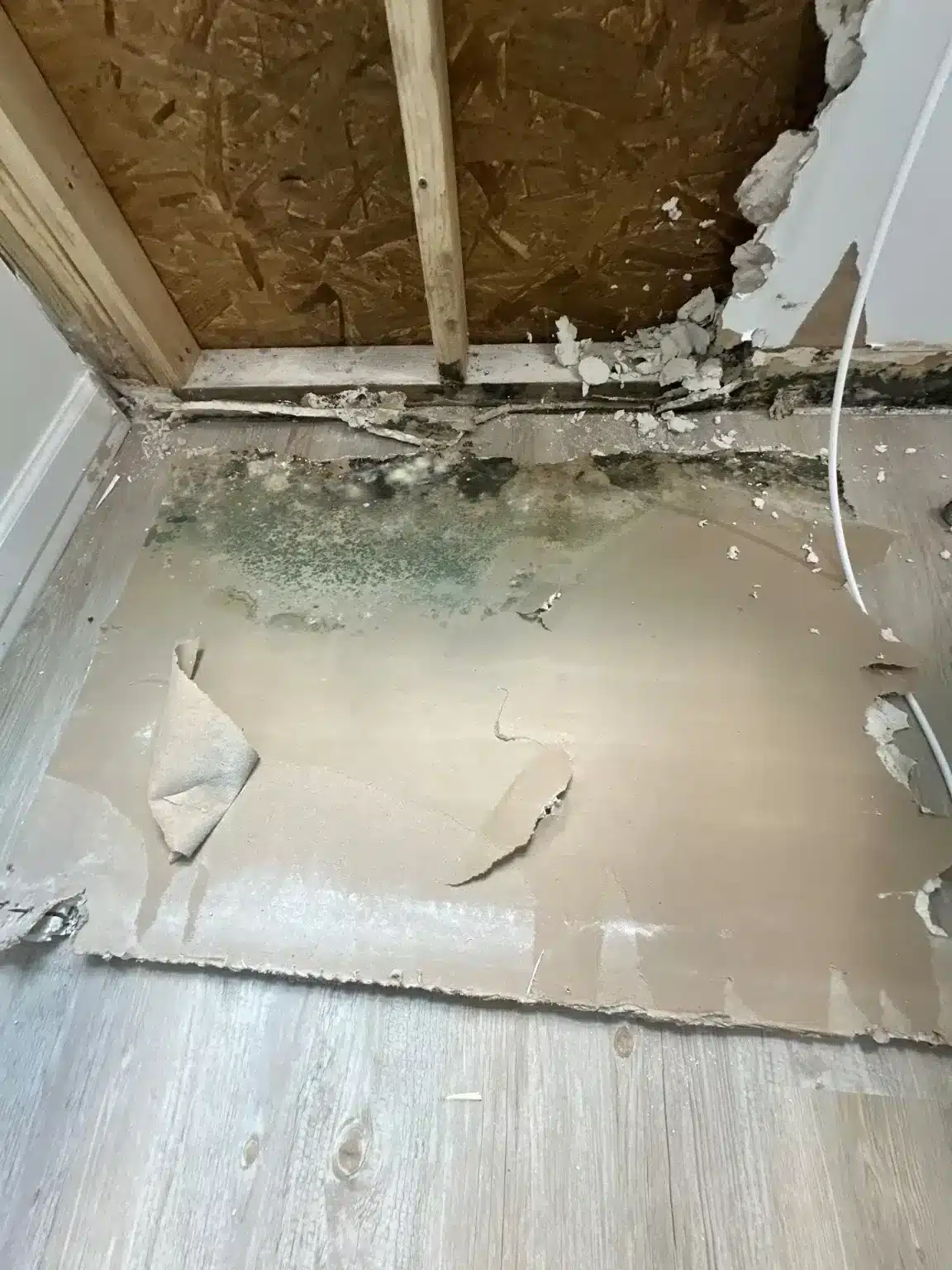
Begin with a wide view of each affected room from a safe doorway. Then capture closer details without stepping into water or moving contaminated materials.
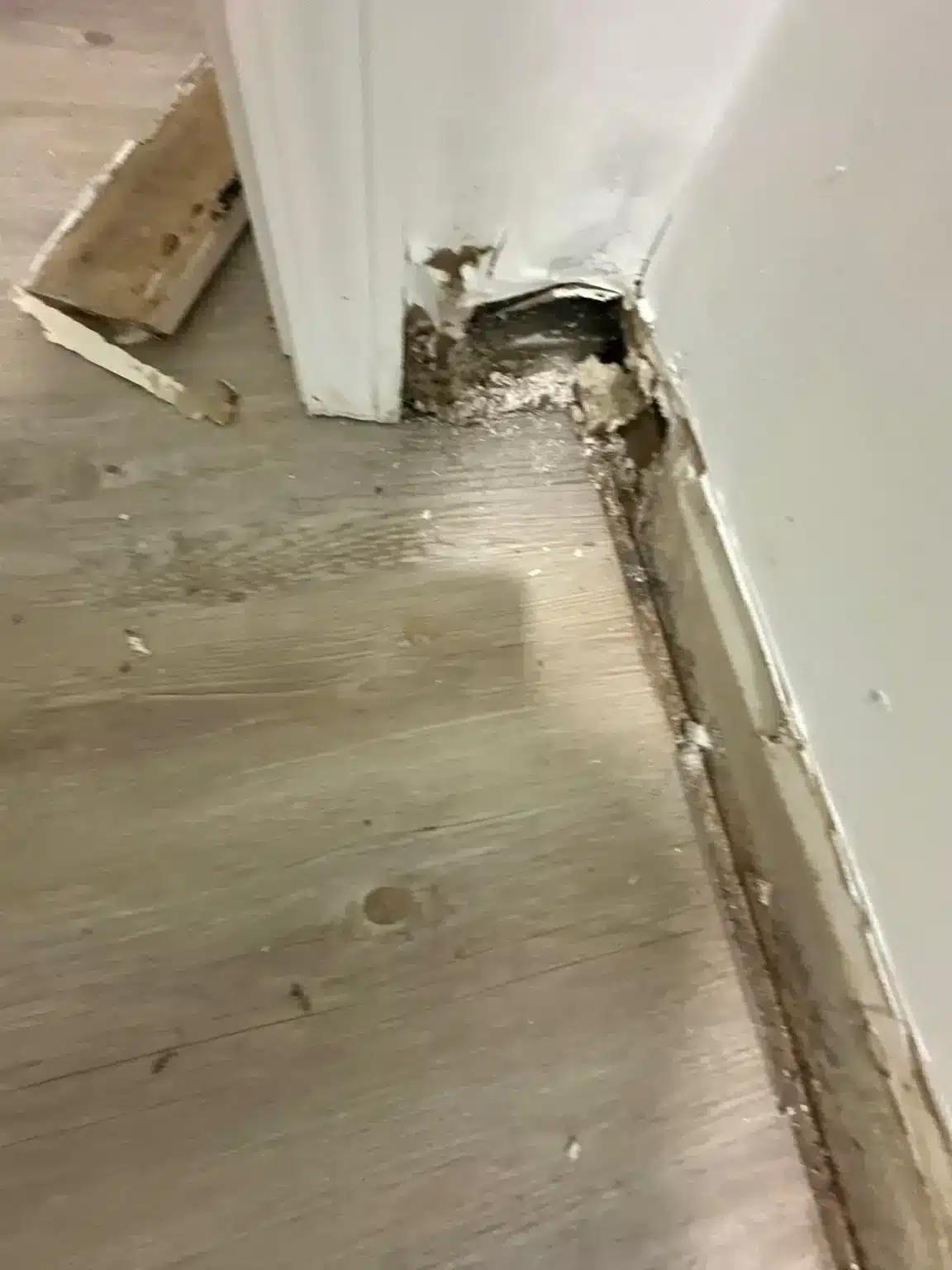
A close view of damaged trim is more useful when another image shows its position within the room.
Before proposed demolition, ask for photographs connecting each removal area to the damage assessment.
Describe where water first appeared, which direction it moved, and which materials it contacted. For example, record water emerging around a floor drain without assigning a sewer-system cause.
Atlanta Watershed links Peoplestown, Mechanicsville, and Summerhill to the Southeast Atlanta Green Infrastructure Initiative and Custer Avenue CSO service area. CSO means combined sewer overflow.
Preserve the plumber’s findings alongside your observations.
A plumber handles source repair; we handle cleanup and structural drying.
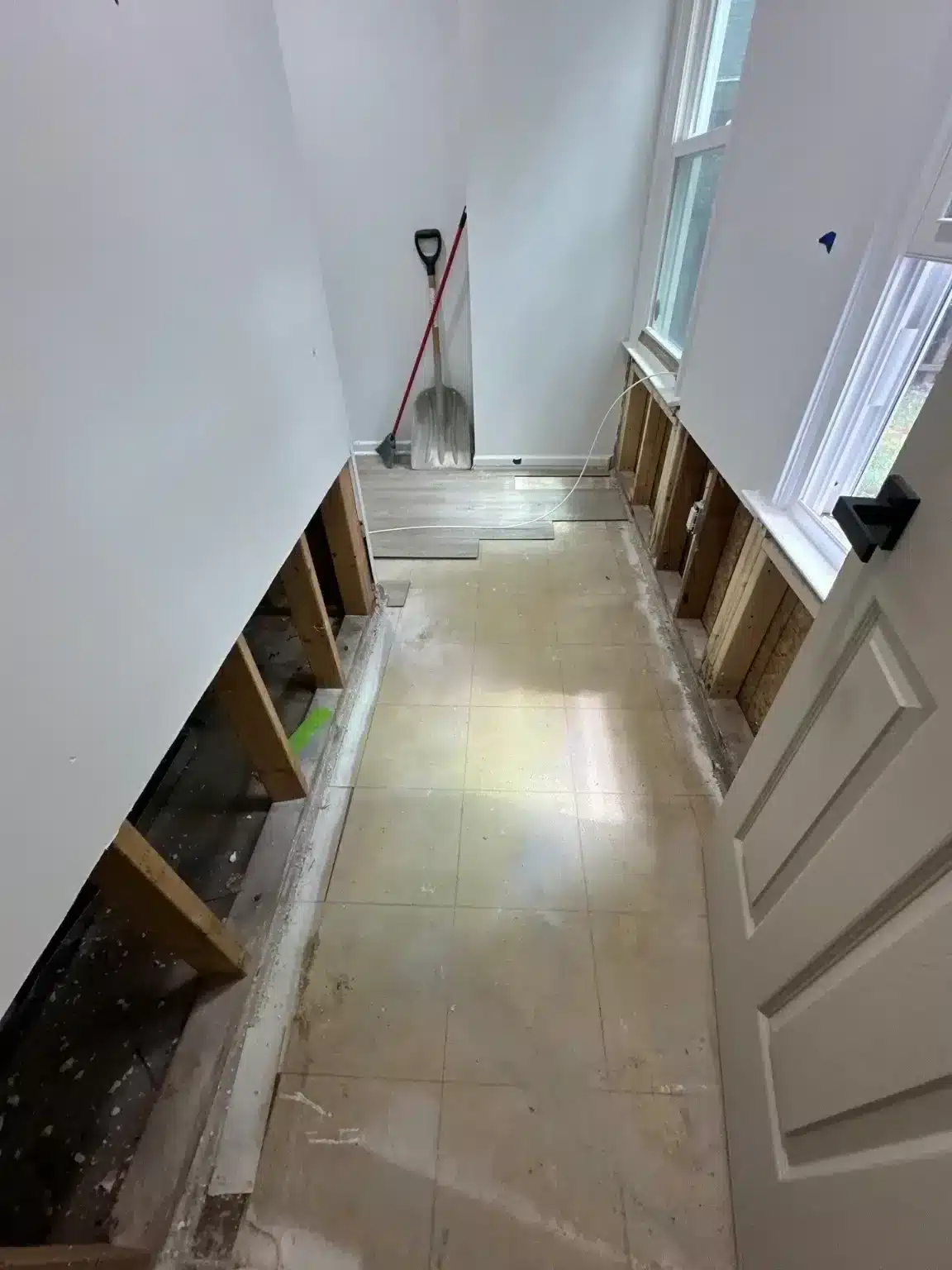
Water can follow joists before leaving a visible stain where it exits. Moisture readings help assess materials beyond the visible water boundary.
We use infrared assessment, pin and pinless moisture meters, and moisture maps. Infrared assessment identifies temperature patterns that can guide further checks. Meters assess moisture at tested locations, while maps record where readings were taken.
These methods have limits and cannot guarantee that every hidden wet area will be found. A reading needs its location and material identified to remain useful later.
Before removal, request room-specific readings, photographs, the reason for each removal, and any salvage alternative considered. A salvage assessment helps determine which wet materials can remain and which need removal.
Ask how the proposed work relates to IICRC S500 for water restoration or S520 for mold remediation.
Keep the plumber’s source-repair invoice distinct from cleanup and drying records within our single project file.
Our insurance documentation and billing support includes direct billing. Only the carrier authorizes coverage and payment; restoration records support its review.
Preserve authorizations, equipment records, change orders, invoices, and communications.
Reconstruction review depends on the property and proposed work. Atlanta uses Accela for applicable permit workflows, as described by the Office of Buildings.
Confirm local requirements for your address before demolition or rebuilding.
The city’s historic preservation guidance distinguishes administrative review from Urban Design Commission review.
A Certificate of Appropriateness may be needed before a building permit.
Covered painted-surface work in pre-1978 housing and child-occupied facilities can trigger Georgia lead-renovation requirements. These can include certified firms and renovators, containment, cleaning, verification, and recordkeeping. Emergency restoration does not waive every lead-related duty.
Georgia EPD asbestos rules can require accredited inspection and appropriately licensed removal, depending on materials and scope. The state’s asbestos renovation and demolition guidance identifies scope-dependent requirements, including 10 working days for applicable notifications.
We do not perform asbestos abatement. Retain applicable inspection reports and permit records with the reconstruction file.
We coordinate mitigation through reconstruction under one project file and one point of contact. Keep original photos and video beside a written event timeline, then add the professional records as work progresses.
This helps an owner or adjuster connect a removal decision to its supporting evidence.
We coordinate mitigation through reconstruction for residential, commercial, and industrial properties. Keep insurer communications in their own folder within the project file so coverage decisions remain easy to find.
Arrange emergency help first, then take initial photos from a safe, dry location. Leave sewage and unsafe areas to professionals. EPA recommends drying wet areas within 24–48 hours to help prevent mold.
Neighborhood history can support a question for the investigating professional, but the cause still needs property-specific evidence. Keep the discovery time and observed entry point available for comparison with the plumber’s findings.
For commercial water losses, connect each affected room or zone to its photographs and moisture records. Also preserve written responsibilities for source repair, mitigation, independent testing, rebuilding, and permits. Record agreed access arrangements and project milestones in communications. Those records help managers discuss disruption without treating a proposed reopening date as guaranteed.
Ask the adjuster and restoration professional about evidence needs before disposal, without delaying necessary hazard control. Photographs, moisture readings, and written removal reasons can preserve useful information about the materials. Avoid handling or storing sewage-contaminated debris yourself. Suspected asbestos materials need assessment under Georgia’s applicable inspection and removal rules.
We provide restoration records and direct billing support, without promising payment timing or deductible treatment. Keep the carrier’s written decisions with your claim communications. Direct questions about premiums, renewal, or changing insurers to your carrier or insurance agent.
Tell us what you are seeing and where. We scope the damage from instrument readings before anything is opened, and document it for your insurer from the first hour.