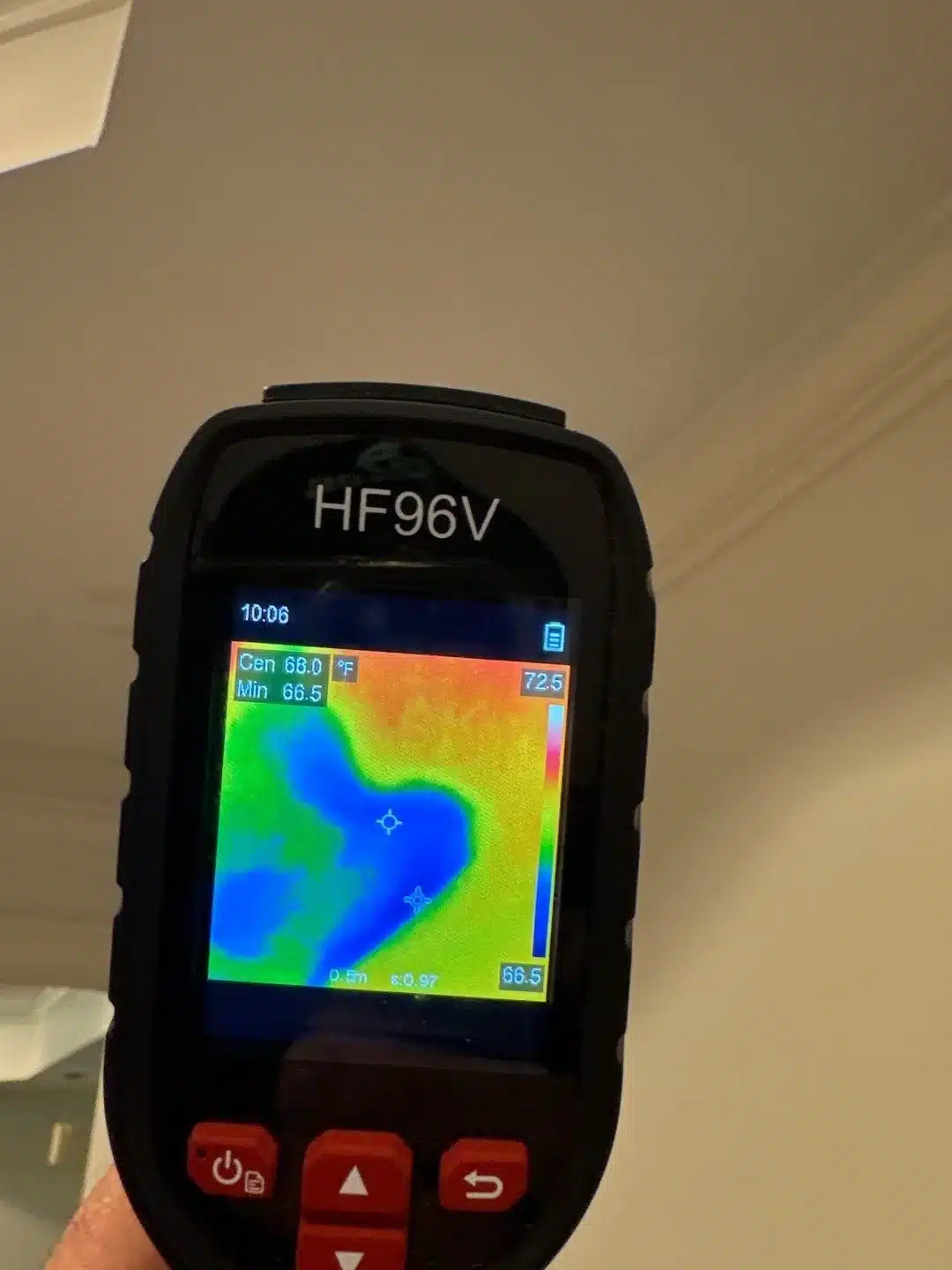
Thermal imaging camera displaying ceiling heat distribution with temperature readings between 66.5°F and 72.5°F

DeKalb County

Water damage restoration in Dunwoody

In Dunwoody’s older homes, your water, fire or mold call starts with questions about affected rooms and existing finishes so we can plan the assessment.

Tell us whether water is still entering, which rooms are affected and whether anyone can safely access the property. One Stop Restoration handles water removal, mold remediation, sewage cleanup, fire and smoke damage, and storm recovery in Dunwoody. We serve homes, commercial properties and industrial facilities.

We coordinate mitigation—the work that limits further damage—and reconstruction through one project contact. The assessment connects what needs drying or removal with what needs rebuilding. Before work proceeds, we explain the proposed scope and authorization.
Older finishes and shared building assemblies

Over half of Dunwoody's housing was built between 1960 and 1989. Only 5 percent was built after the 2008 housing-market crash, according to the city's comprehensive plan. That makes existing wall and floor assemblies a practical part of the assessment. We check the materials present before setting removal boundaries, and discuss matching existing finishes before rebuilding.

Apartments are concentrated in Perimeter and along I-285, while detached houses occur citywide. In attached buildings, wet ceilings and shared walls can require access beyond the room where damage was first noticed. Property managers should identify affected units, access contacts and shared spaces when calling so we can plan assessment and equipment placement.

The city's comprehensive plan also identifies aging commercial buildings in Jett Ferry. For those properties, we examine concealed assemblies and discuss material matching early rather than treating the job as surface cleanup alone.

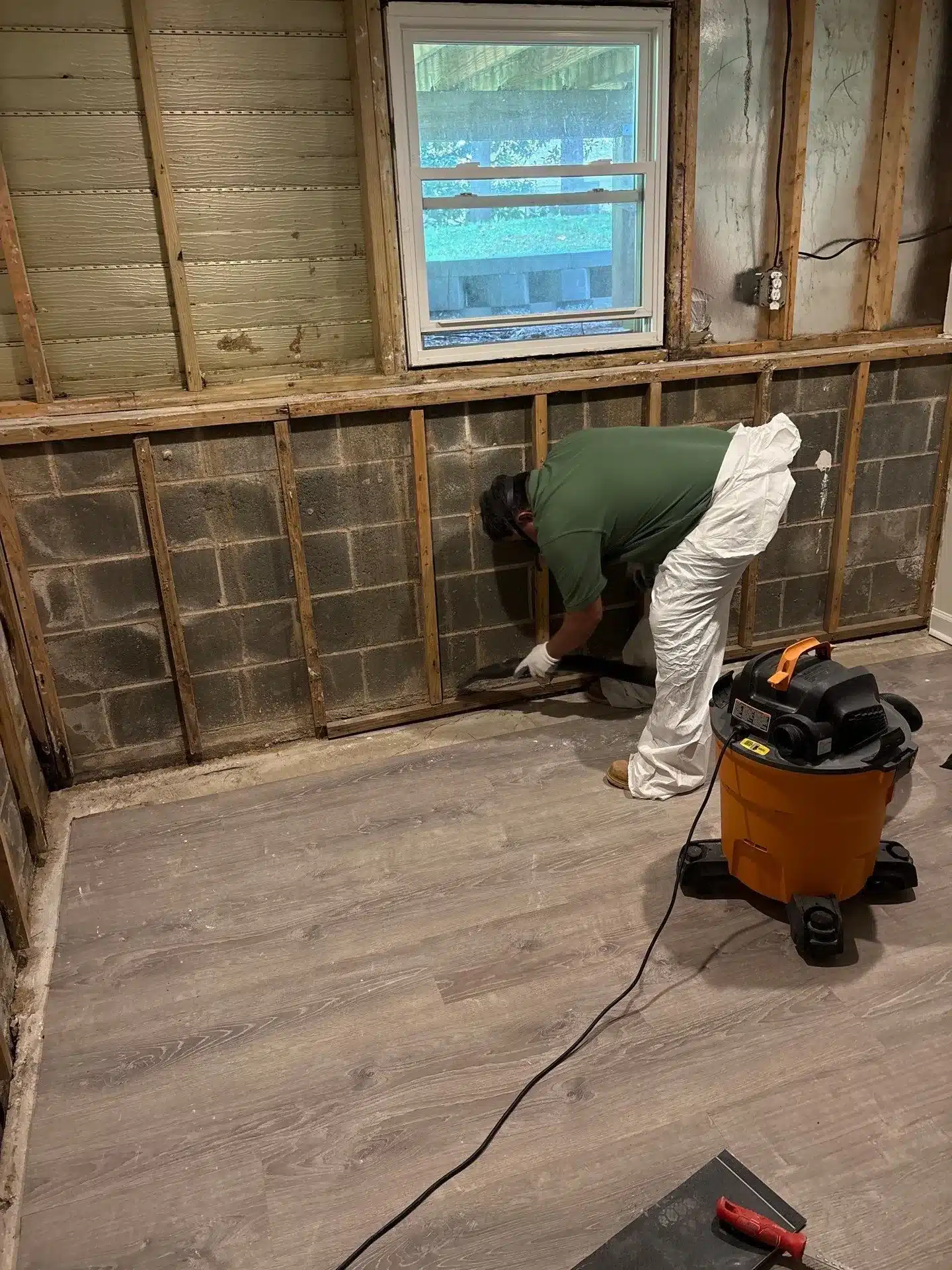
Worker installing gray vinyl plank flooring in an unfinished basement with brick walls and wooden framing.

Cleanup and rebuilding for affected properties

We handle water, mold, sewage, fire and storm damage in Dunwoody, with restoration scopes for homes, businesses and industrial buildings.

Water removal and drying

We extract standing water, check affected walls and floors, and plan drying around the materials present. Burst-pipe and slab-leak cleanup includes assessing moisture beyond the visible wet area.

Mold remediation

We assess affected materials, establish containment and remove or clean materials according to their condition. The scope addresses moisture so rebuilding does not simply cover a damp assembly.

Flood and sewage cleanup

We assess the water source and contamination before choosing cleanup methods. Removal, cleaning and drying plans account for affected materials and separation from occupied areas.

Fire and smoke restoration

We assess fire-damaged surfaces, soot and smoke effects, along with water left by firefighting. The restoration scope connects cleanup and material removal with the rebuilding work.

Storm damage and reconstruction

We assess storm-related water intrusion, dry affected assemblies and rebuild damaged areas within the agreed scope. Exterior reconstruction planning includes checking applicable permit and overlay requirements.

Commercial and industrial restoration

We plan water removal and drying around access routes, affected work areas and building assemblies. Facility managers help identify restricted spaces and occupant needs before equipment placement.

Measure moisture before setting removal boundaries

We use thermal imaging and pin or pinless moisture meters to map areas needing closer assessment. In an attached building, that assessment may include the ceiling below a leak, adjoining walls and accessible shared assemblies. Tell us about staining or dampness in neighboring units, even if the original leak appears contained. Access to those spaces helps us define the affected area before proposing openings.

Removal decisions account for moisture readings, material condition, contamination and access for drying. We explain which materials can remain and which need removal, then revise the boundary if an opening reveals additional damage. Our guide to wet drywall removal explains the material-level decisions. The scope for your property comes from its assessment.

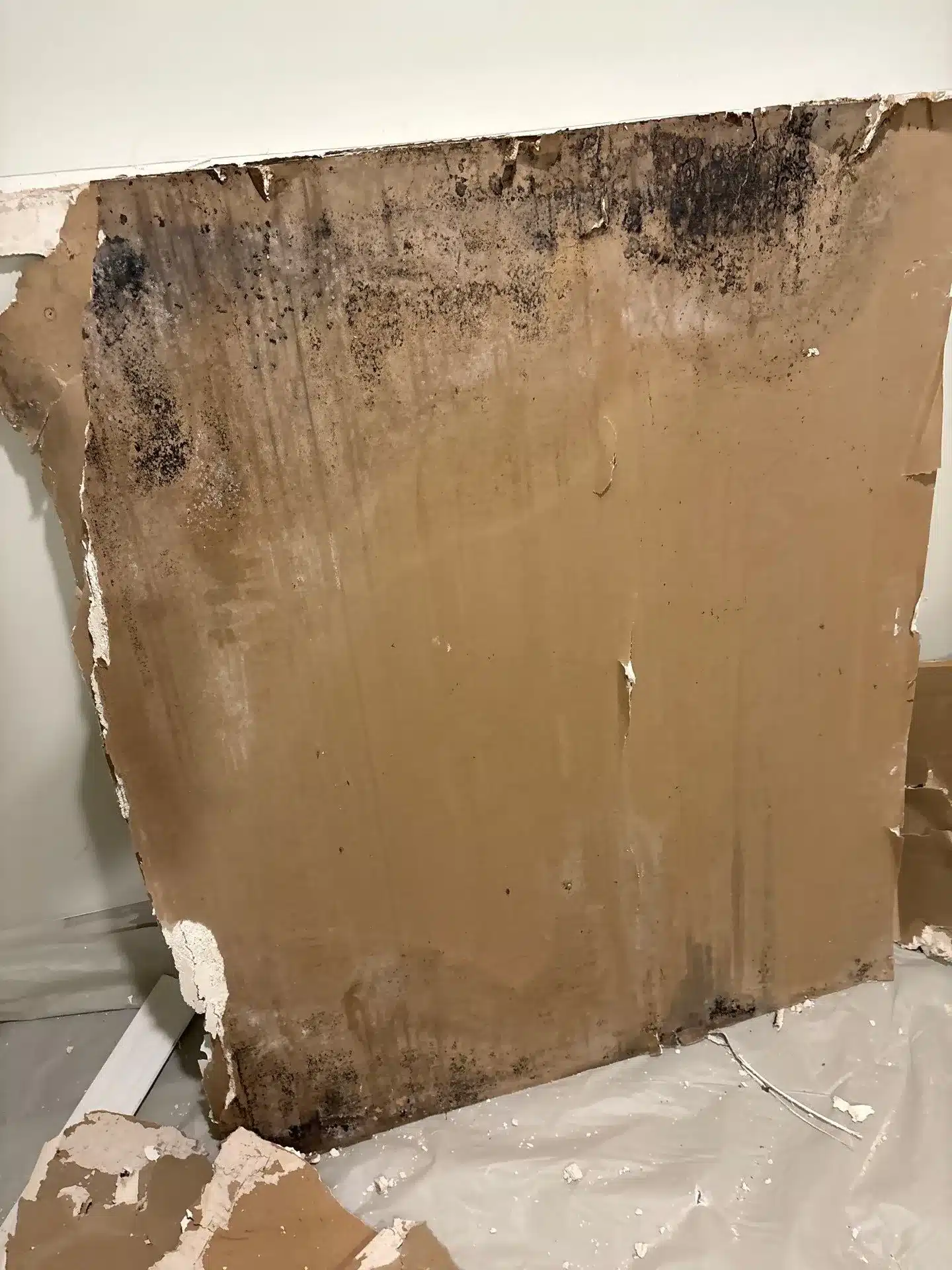
Drywall section with extensive mold staining and water damage showing dark discoloration and deteriorated edges.

From your call through rebuilding

We connect the cleanup plan to the building's access needs and reconstruction requirements.

  • Describe the damage, active water entry and any access restrictions when calling.
  • We assess affected materials and map moisture across accessible rooms and assemblies.
  • Review the removal, drying and containment scope before authorizing the proposed work.
  • We remove water, address affected materials and check drying progress.
  • Confirm required permits and reconstruction details before rebuilding affected areas.
  • Review completed work and remaining project questions with your project contact.

Separate damage scope from coverage decisions

For a loss affecting several units, tell us which areas belong to the unit and which are managed as shared building space. We identify locations in the restoration scope so the owner, property manager and adjuster can follow the proposed work. Moisture readings and material observations support that scope. During drying, we record progress and explain changes that affect removal or rebuilding.

Ask the carrier which policy applies to each affected area and who must authorize work. We explain restoration tasks; only the carrier authorizes coverage. Keep mitigation authorization separate from assumptions about payment, especially where shared walls or ceilings are involved. Our Georgia water damage claim guide provides more detail on policy questions.

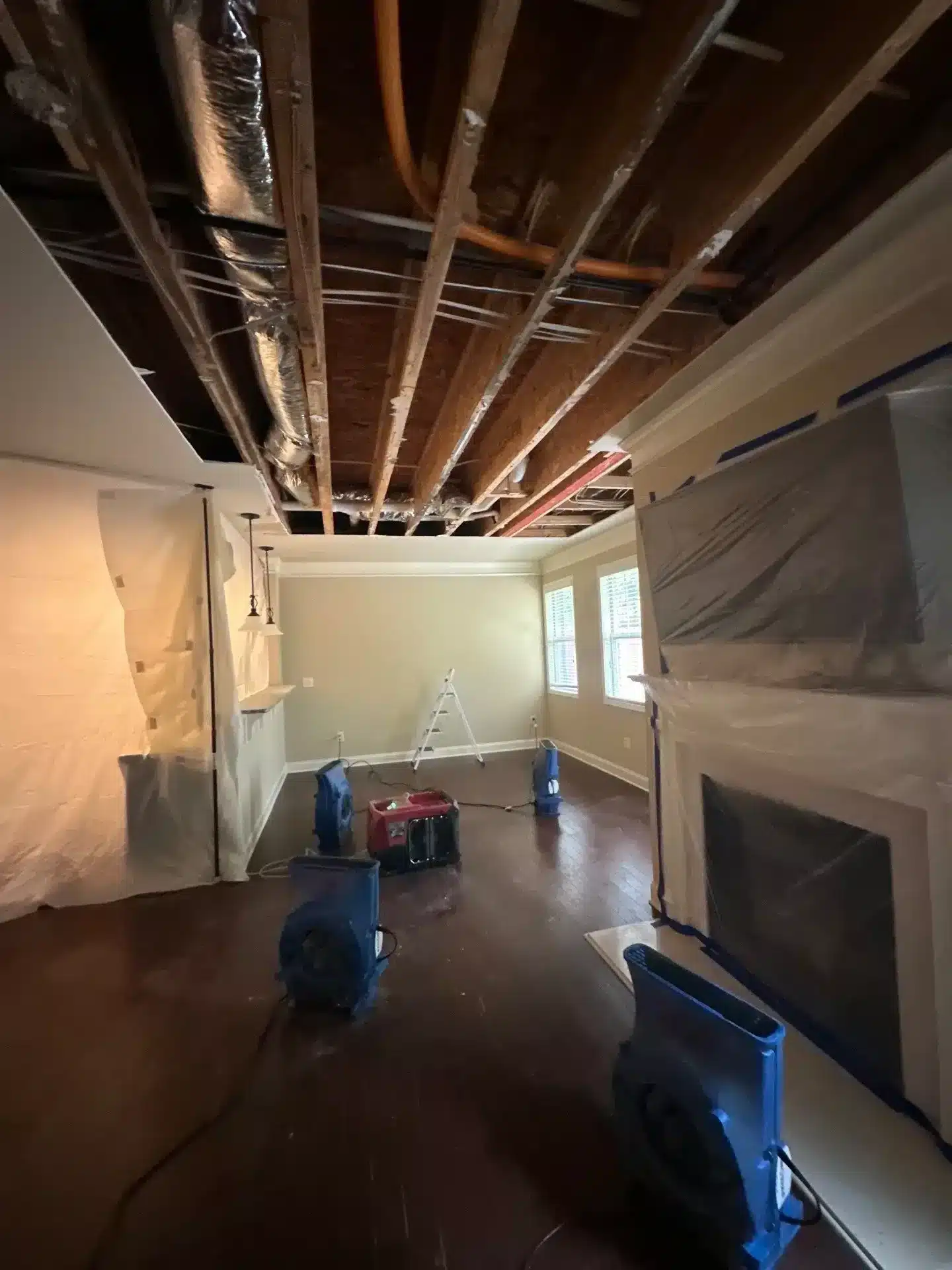
Room under renovation with exposed ceiling joists, blue air movers on floor, and plastic sheeting.

Check permits before demolition and rebuilding

The Community Development Department handles construction permits through CentralSquare using a contractor account. Its permit guidance lists alteration, repair, demolition and regulated building-system work as requiring permits. Painting, floor coverings and wallpaper are exempt. Confirm which requirements apply to the proposed work before scheduling demolition or rebuilding.

We do not handle asbestos abatement; before disturbing suspect older materials, stop work and call a licensed asbestos specialist to determine applicable state testing requirements and what must happen before tear-out can proceed.

CountyDeKalb County
Permits issued byCommunity Development Department
AreaDunwoody, GA

Homes and managed properties we serve

We serve Dunwoody in DeKalb County and nearby Sandy Springs and Peachtree Corners; share unit access details when requesting an assessment.

What affects the cost in Dunwoody

The cost of restoration in Dunwoody depends on how far damage extends through the building, which materials are affected and how we can reach them. Shared ceilings or walls may require access coordination with a property manager. In older interiors, the scope also needs to account for concealed layers and the finishes selected for rebuilding.

Permit requirements depend on the proposed work. A floor-covering replacement and a project involving demolition or regulated systems need different planning. We explain the assessed scope before authorization. Our restoration cost guide outlines the factors to compare when reviewing an estimate.

Questions from Dunwoody homeowners

What access should I arrange for an apartment leak?
Apartments in Perimeter and along I-285 often involve shared walls and ceilings. Tell us which units have visible damage and who can authorize access to neighboring units and common areas. We use that information to plan moisture checks and equipment placement, including areas beyond the room where you first noticed water.
Will older finishes affect how much material you remove?
Over half of Dunwoody’s housing dates from 1960 through 1989, so existing finishes and concealed layers deserve attention before removal. We assess moisture and material condition before proposing what comes out. Tell us about previous renovations and finishes you want to retain so we can discuss removal boundaries and rebuilding choices.
Do I need a permit for damaged flooring replacement?
Dunwoody exempts floor coverings from permits, but demolition and repairs beneath them can require one. We define the proposed restoration scope so you can confirm requirements with Community Development. If a permit is needed, applications go through the city’s CentralSquare portal using a contractor account. Plan that review before scheduling reconstruction.

Discuss your Dunwoody property damage

Call 404-777-7077 about damage at your Dunwoody property, or send details for a non-urgent inquiry so we can discuss the next steps.

One Stop Restoration404-777-7077
6699 Peachtree Industrial Blvd, Unit D, Norcross, GA 30092